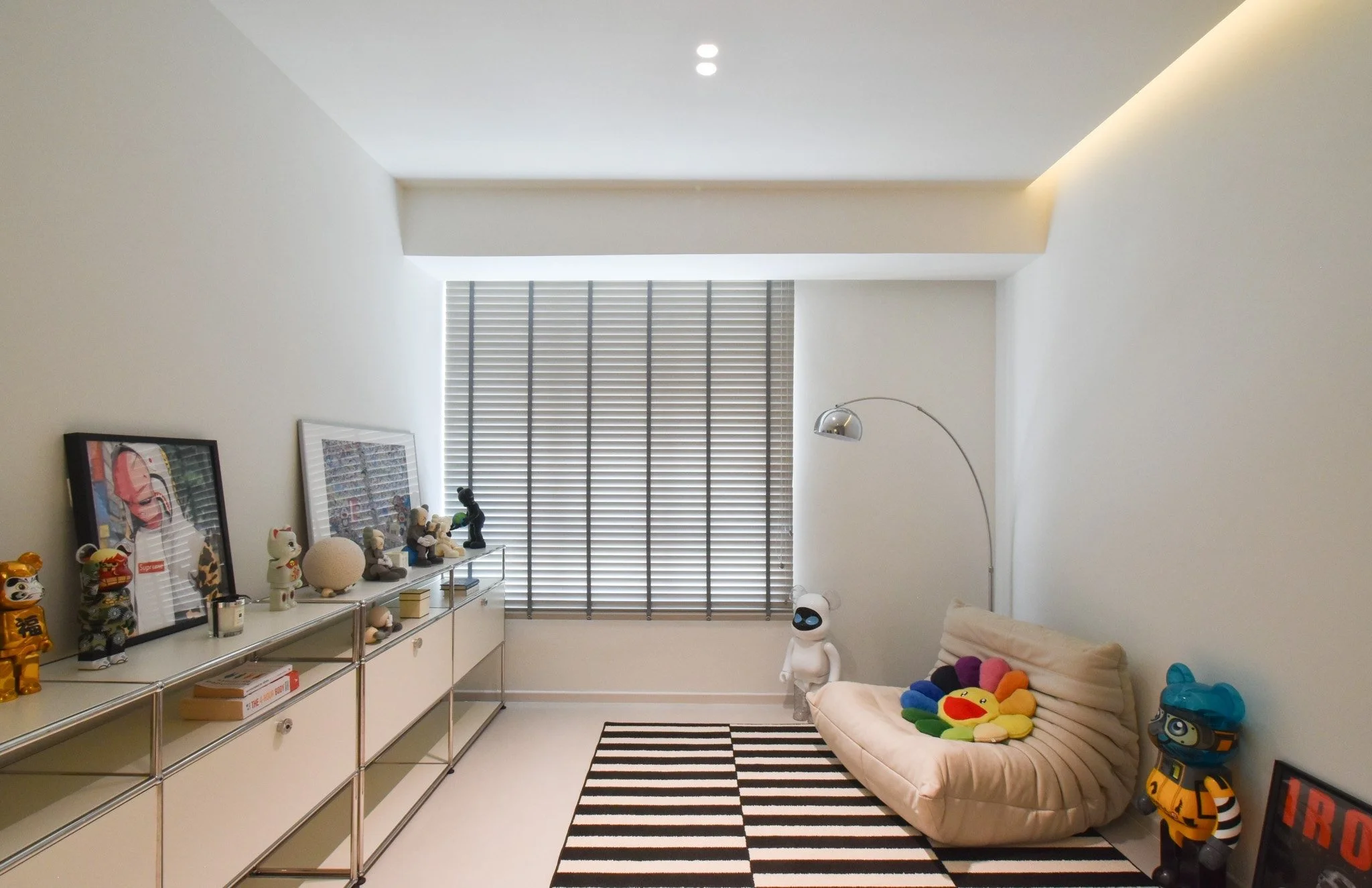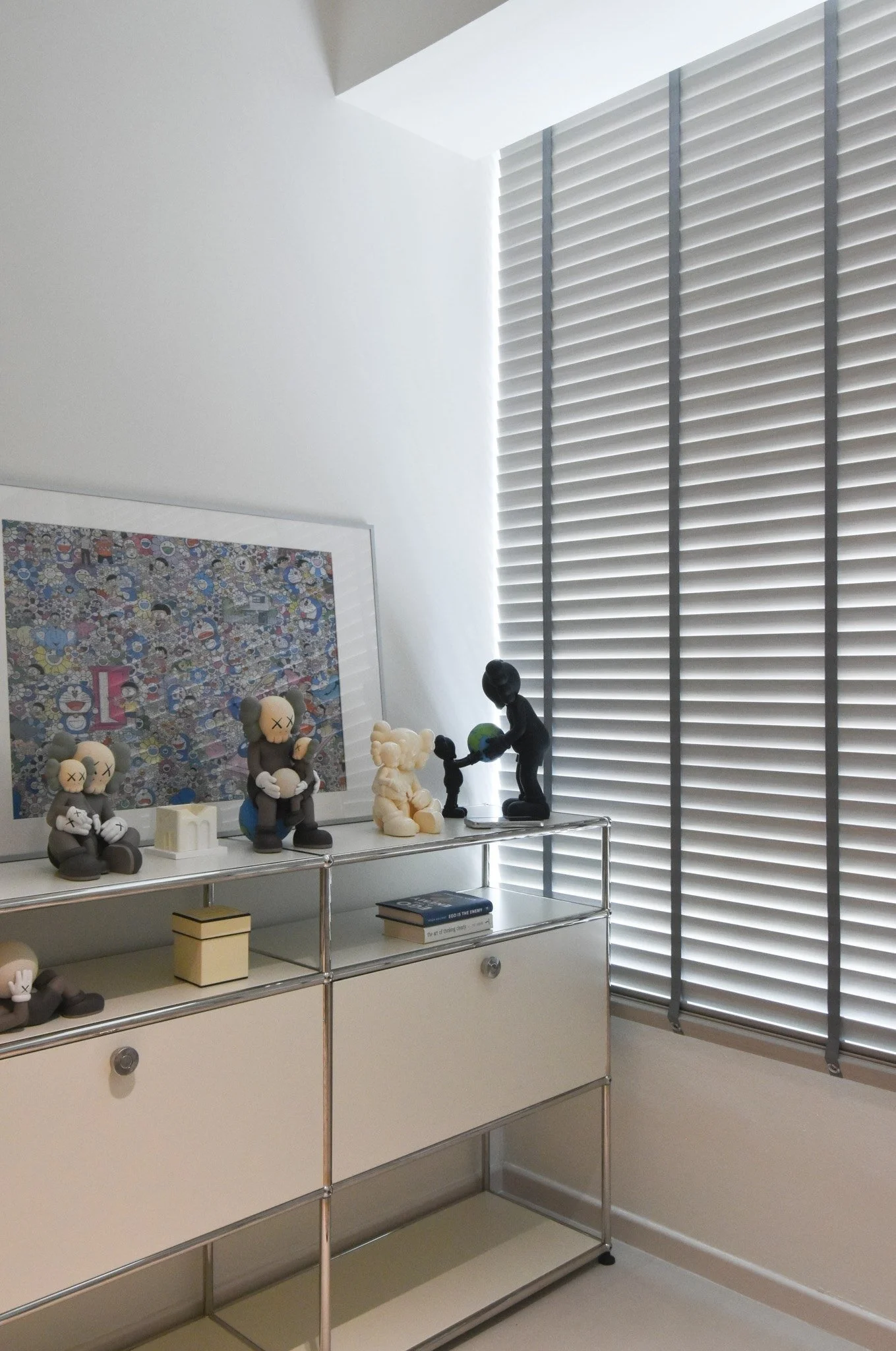
NEUTRAL MINIMALISM | BISHAN PARK
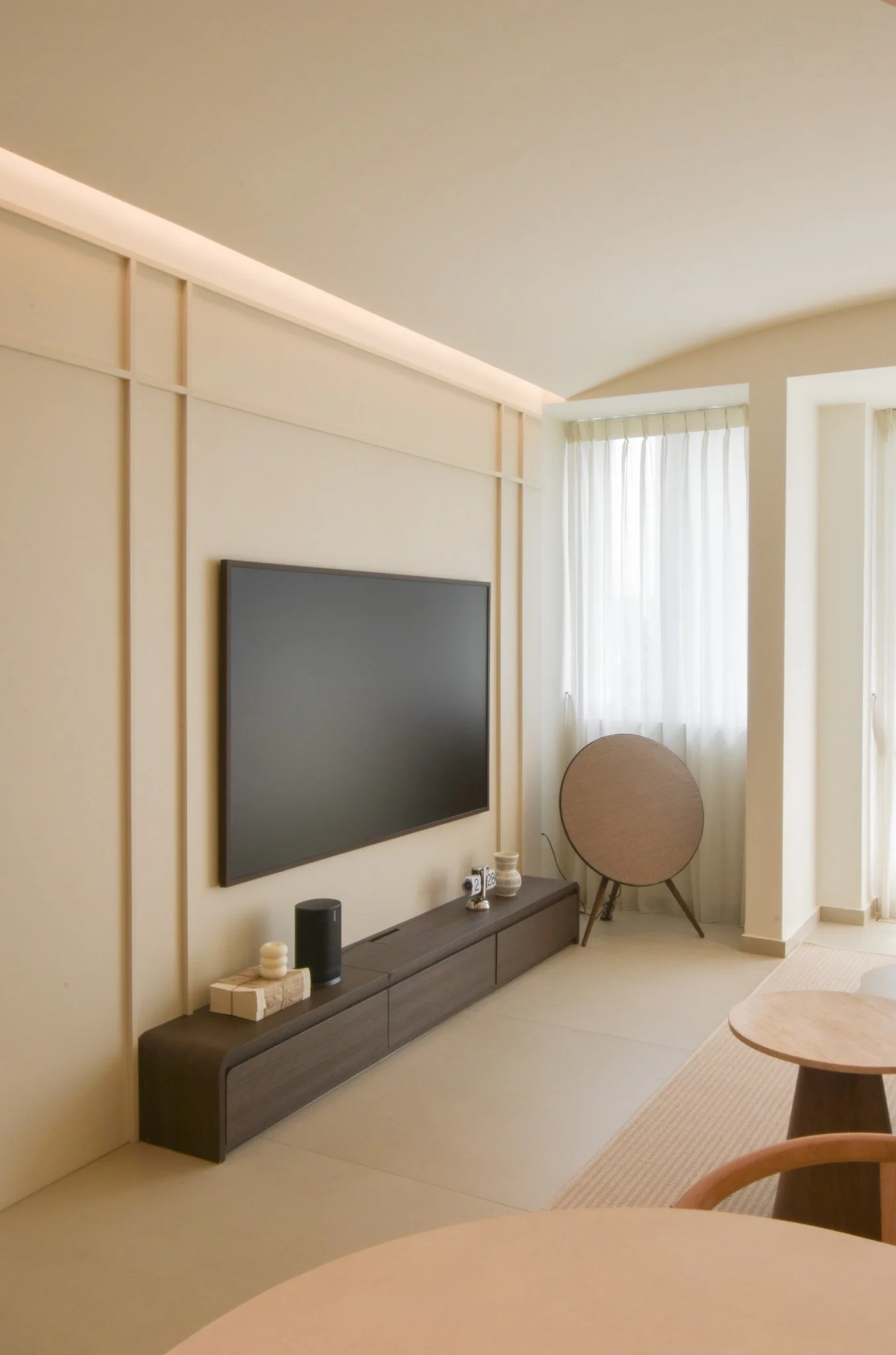
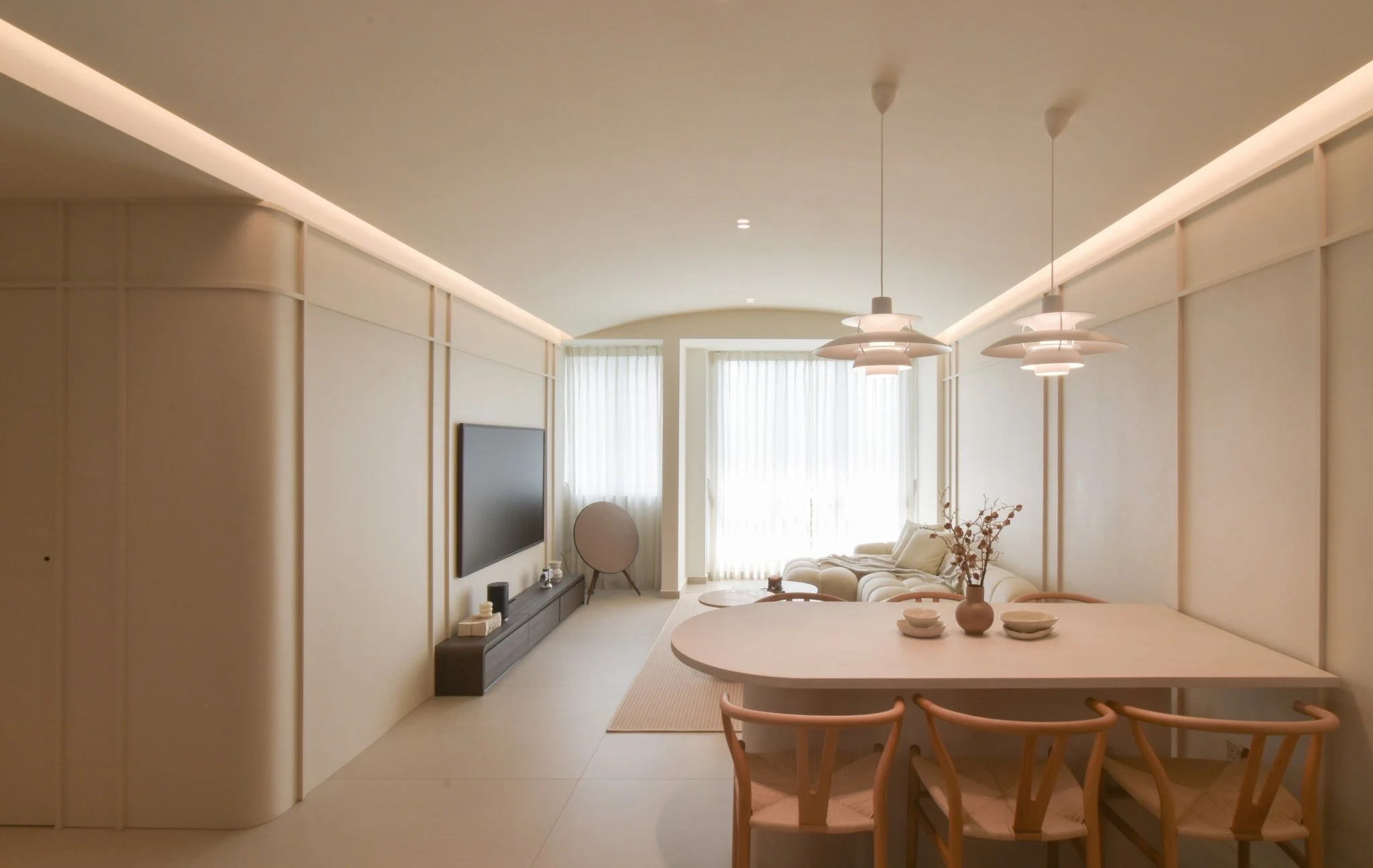
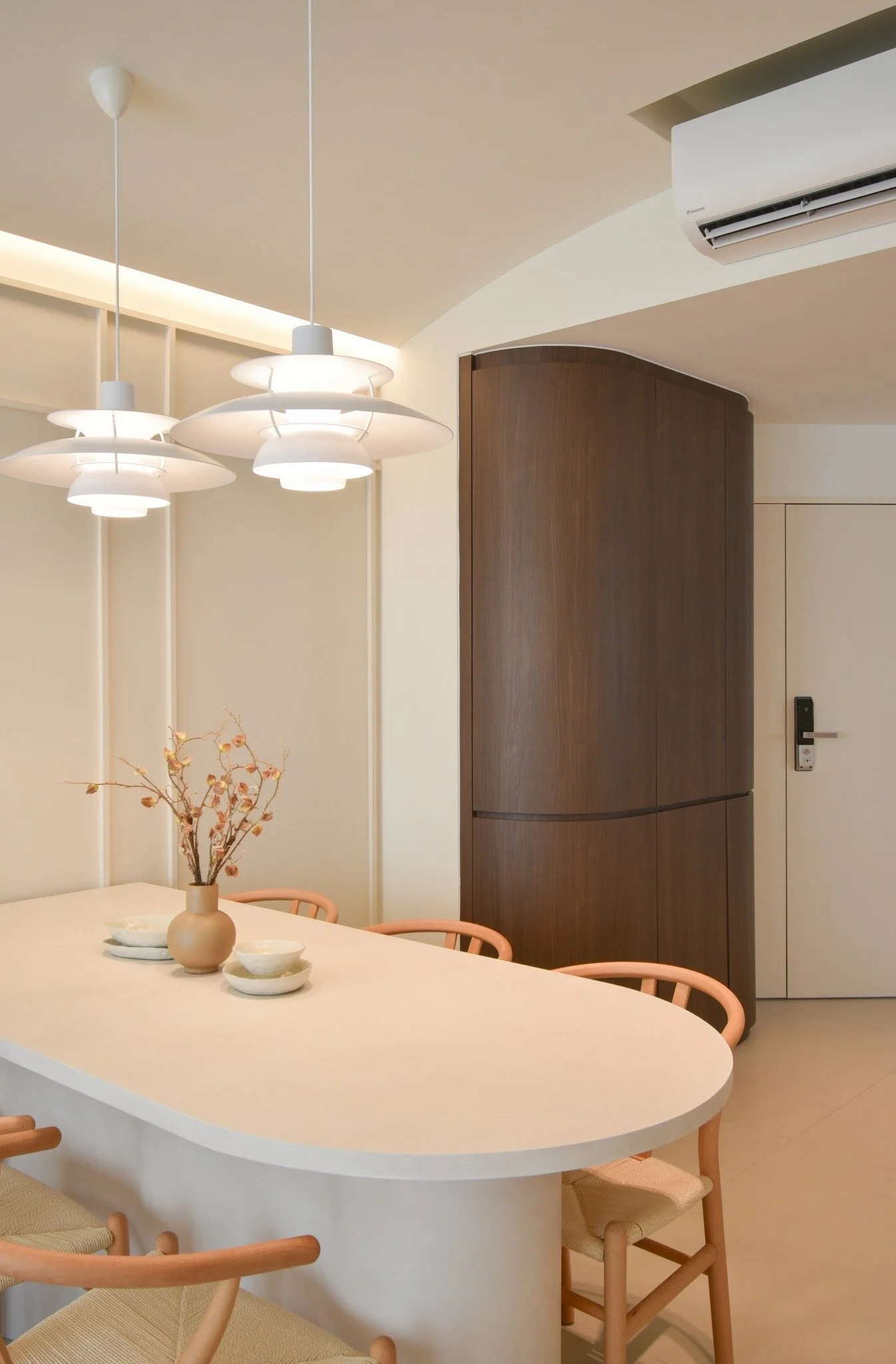
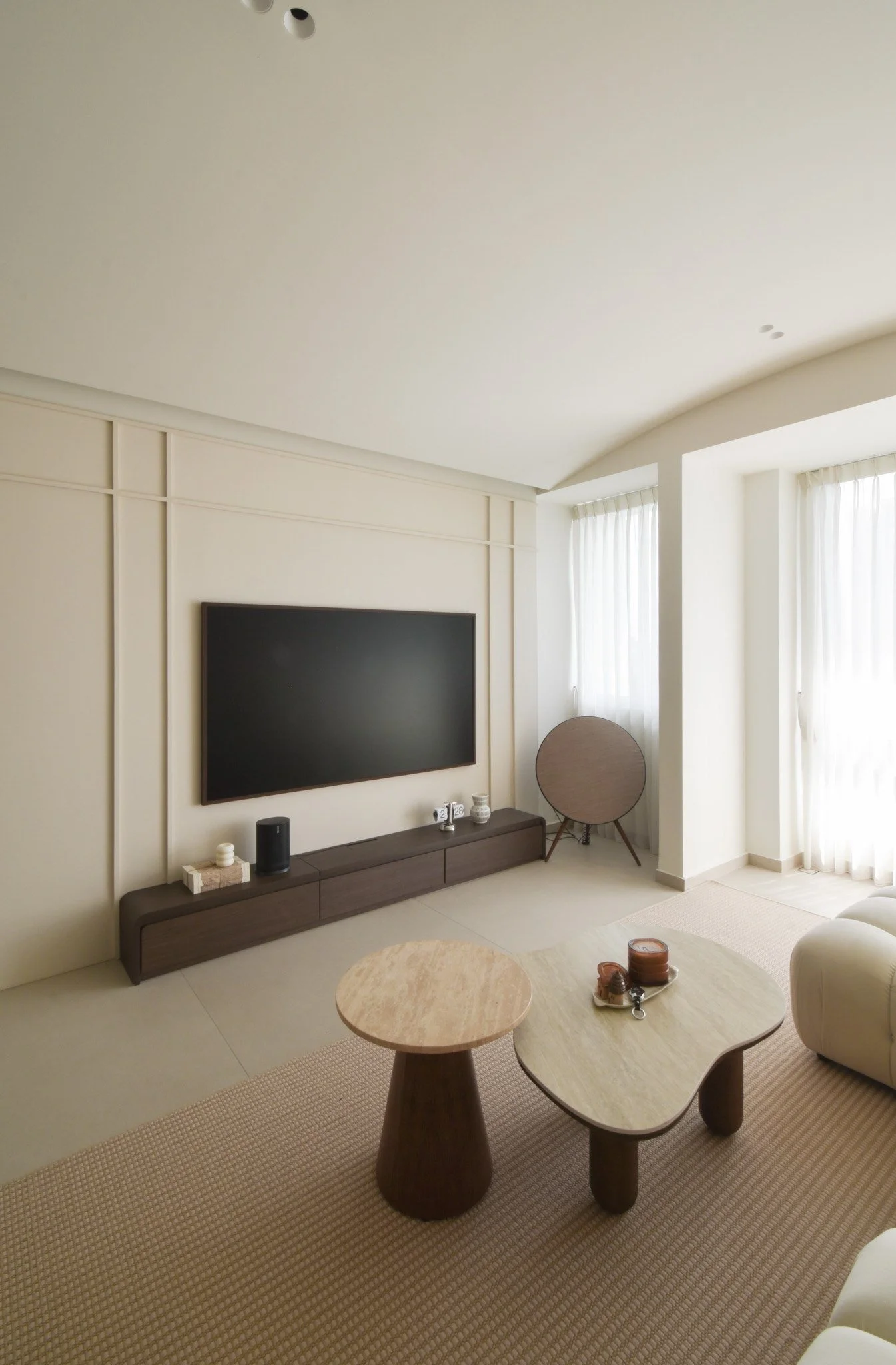
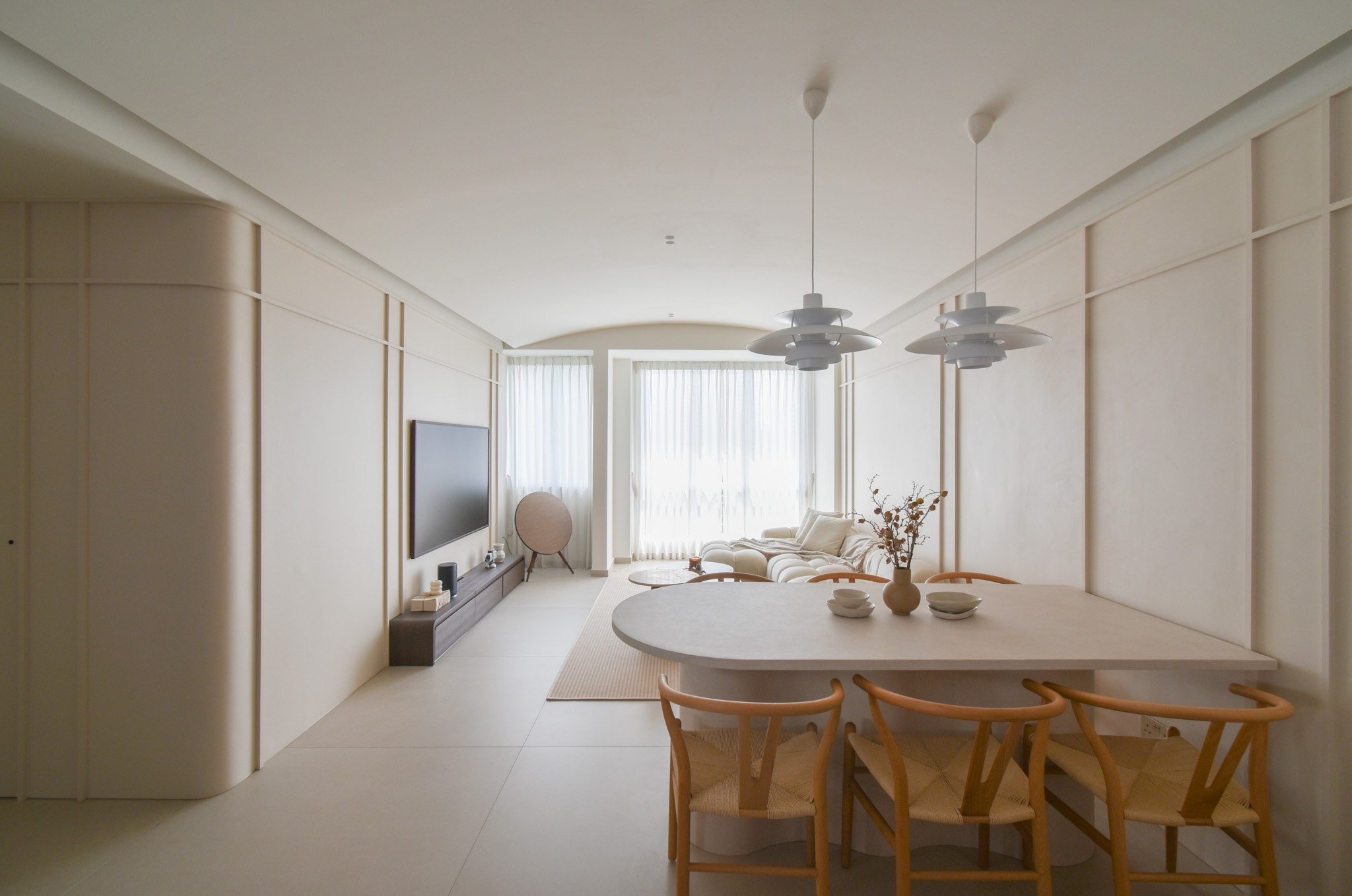
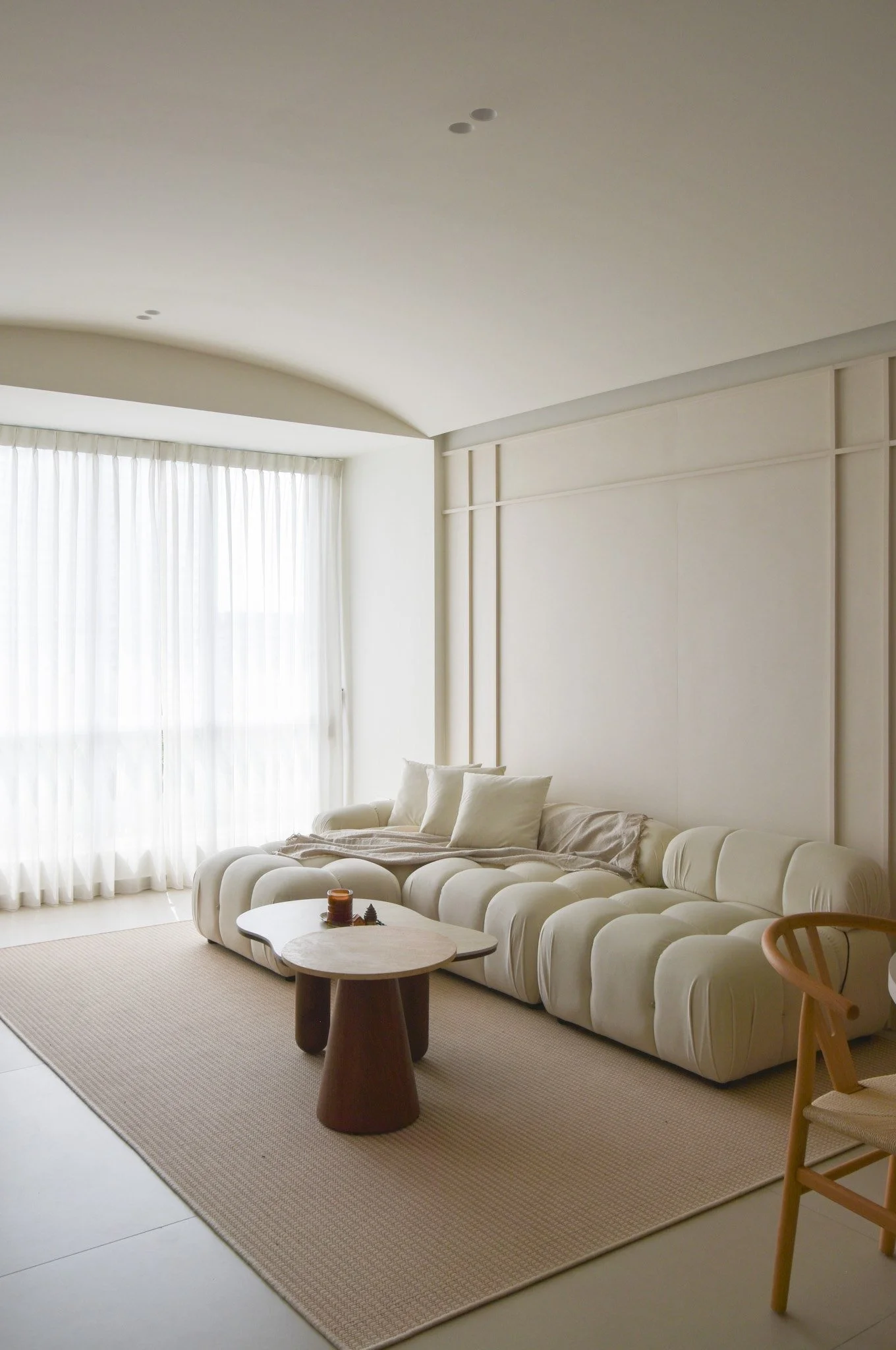
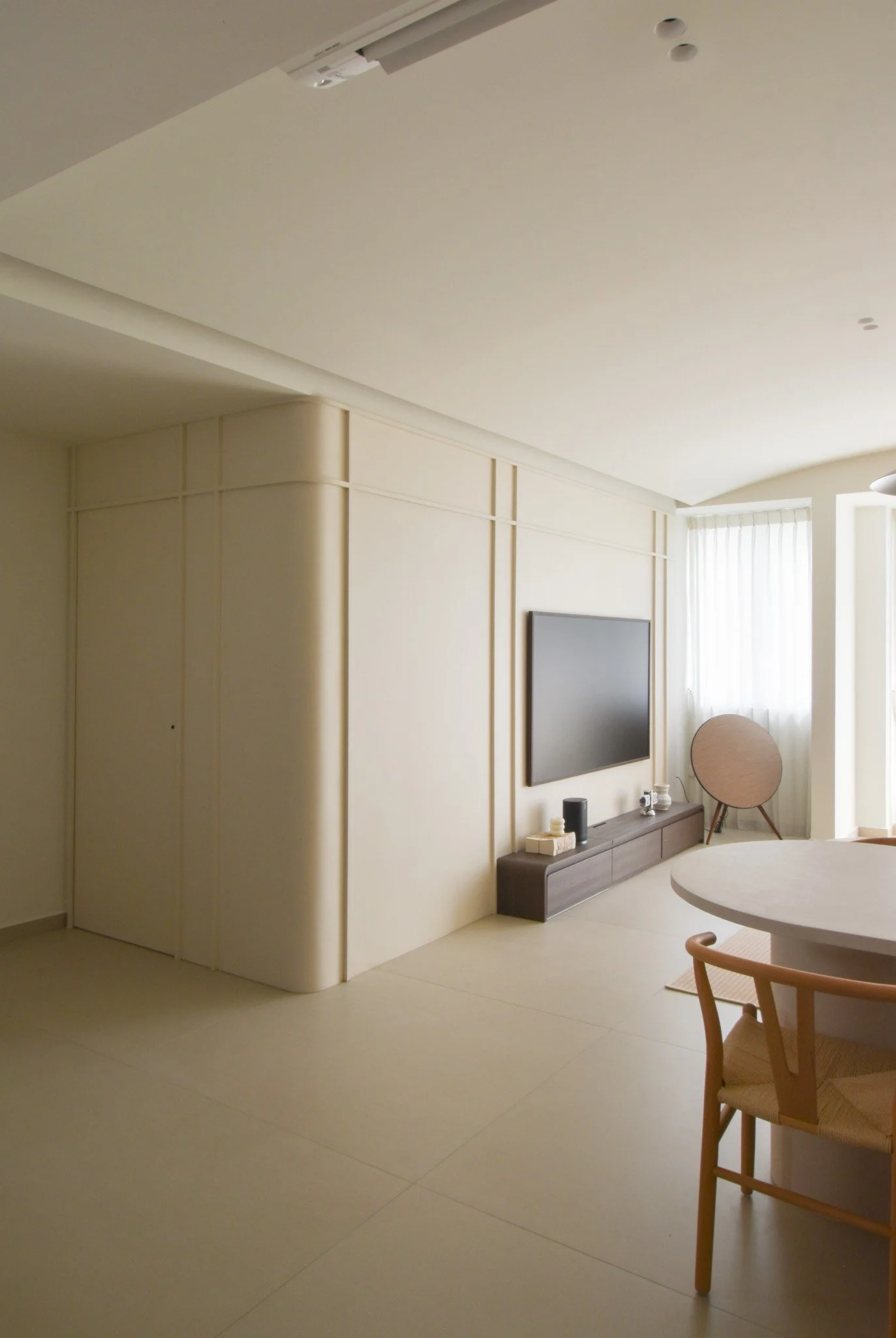
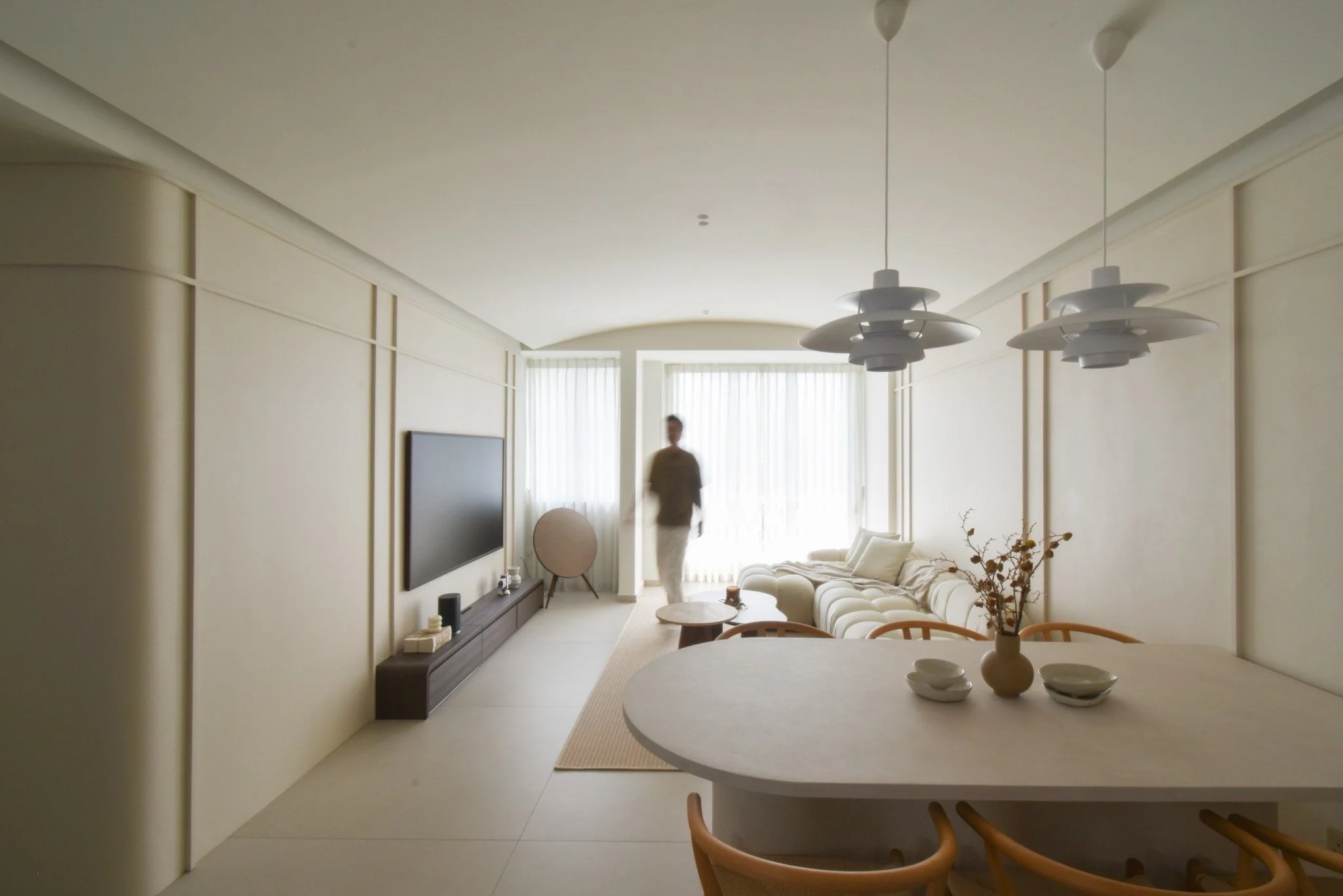
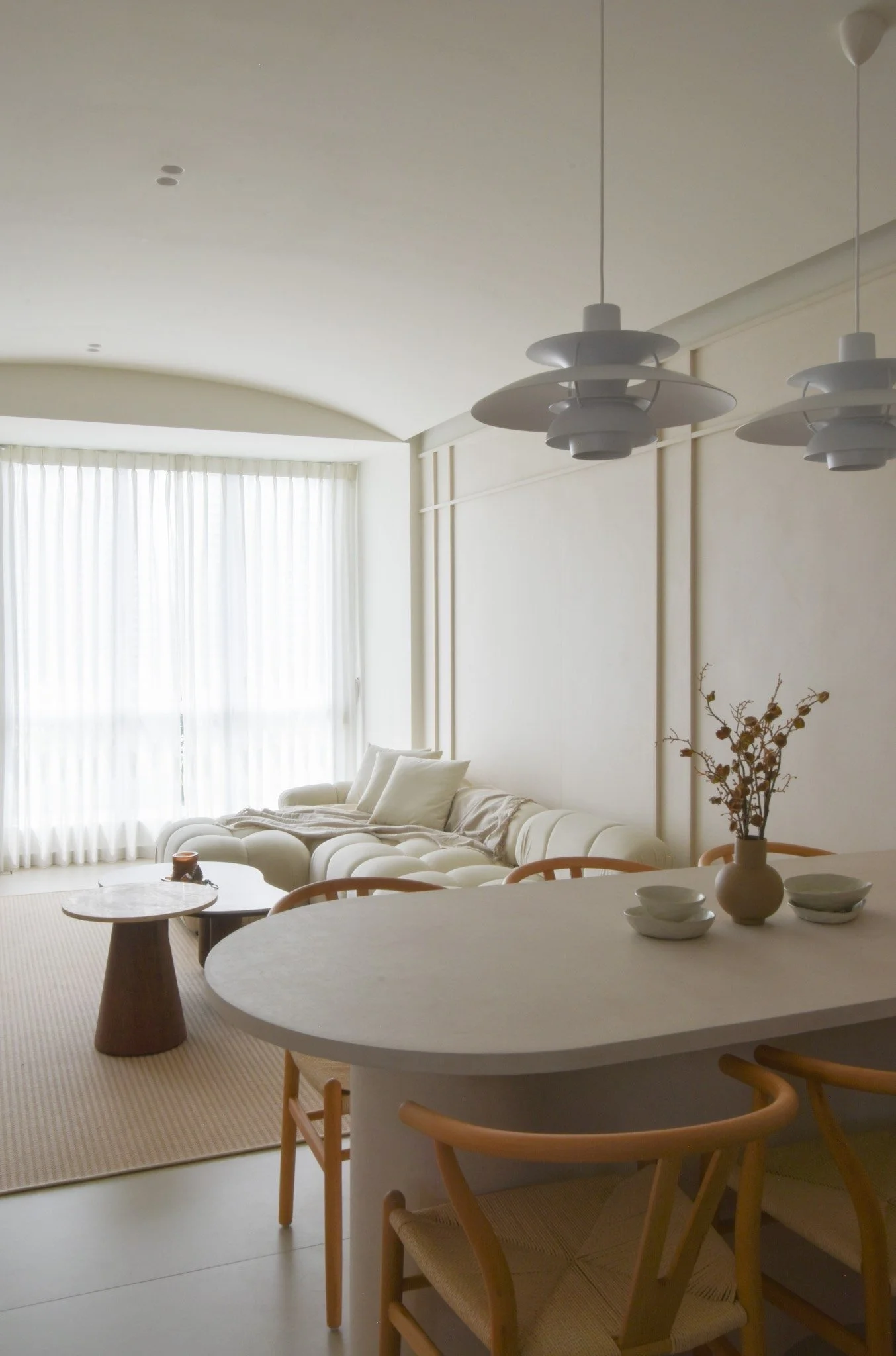
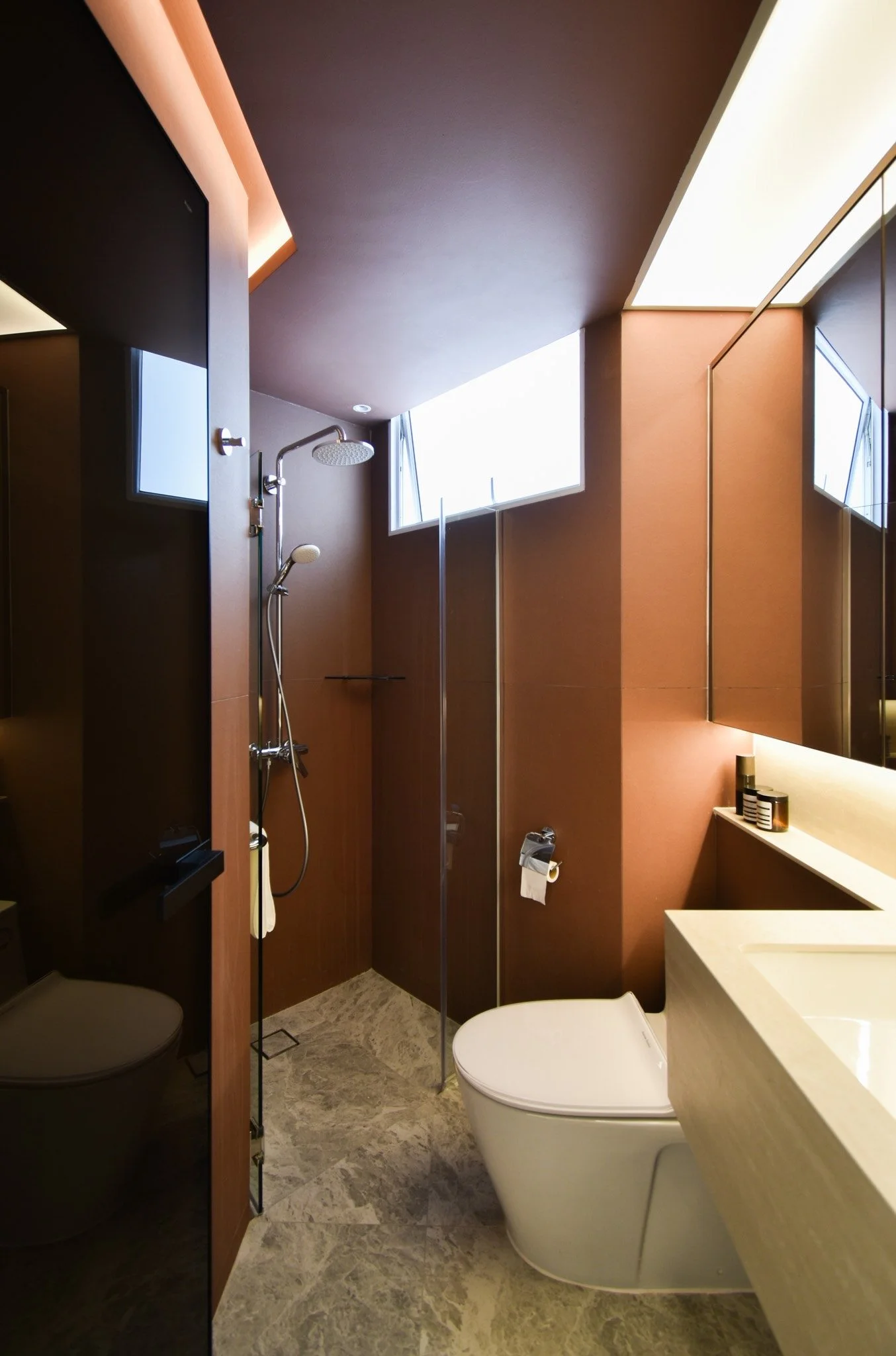
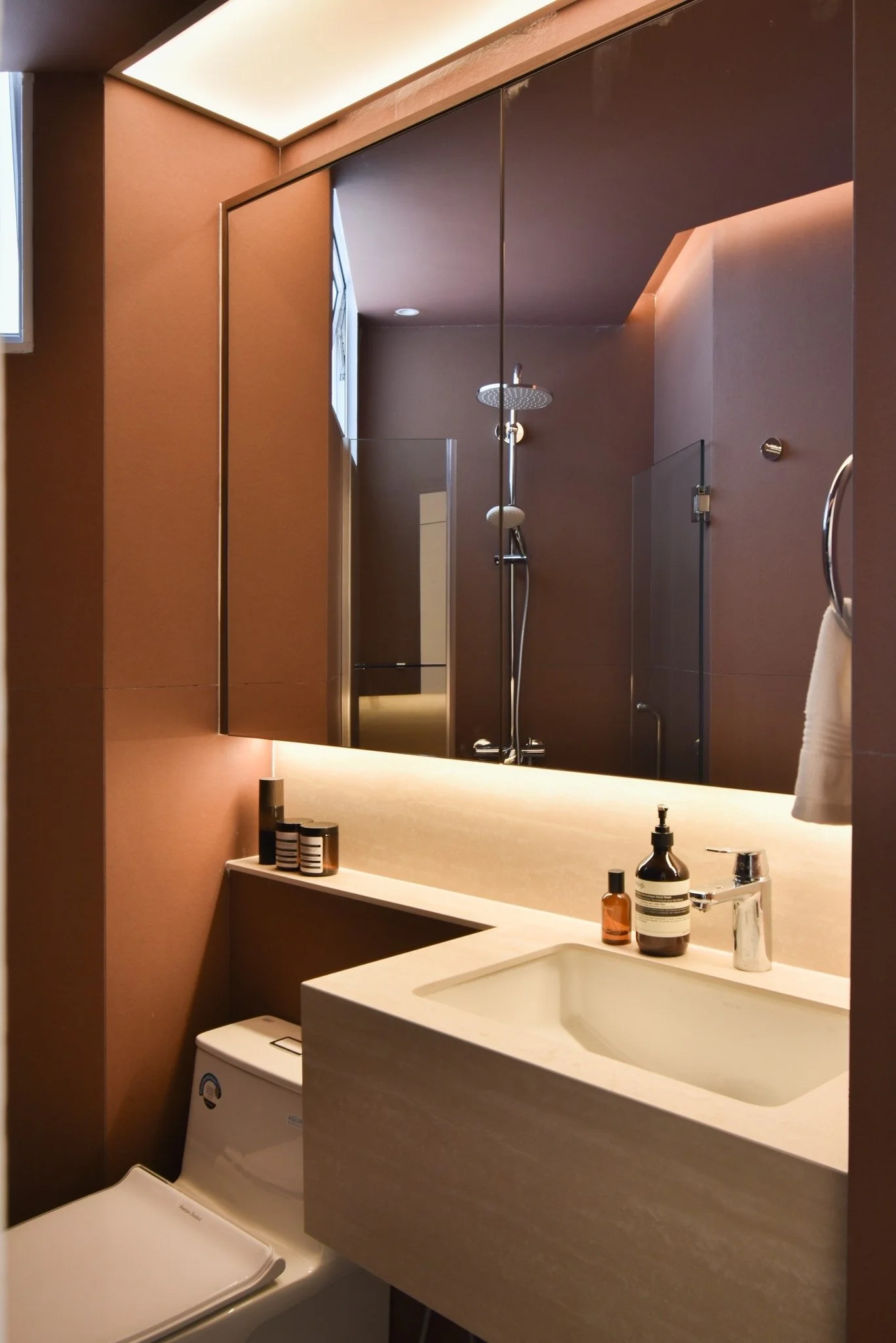
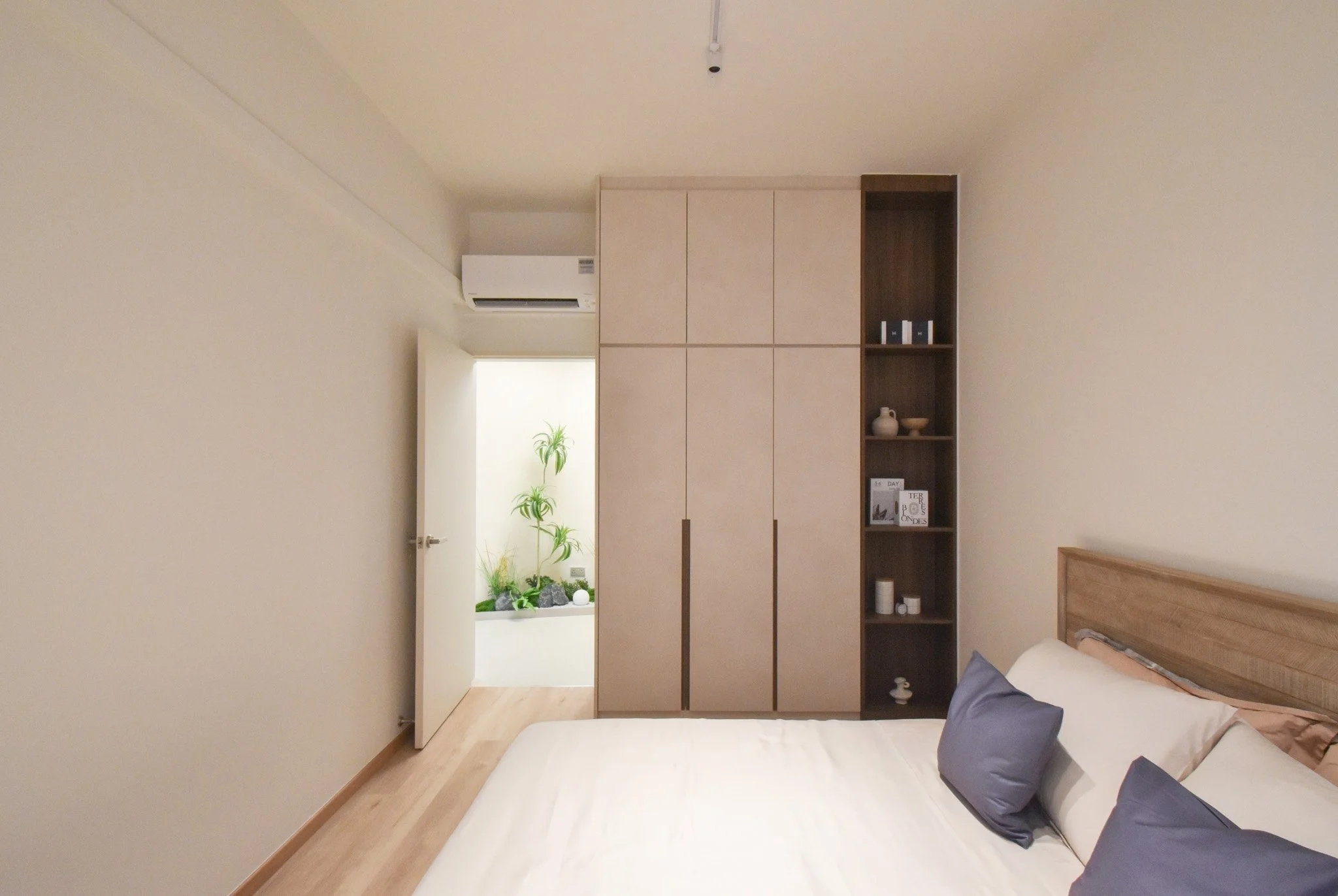
Neutral Minimalism is more than just a design trend—it’s a lifestyle rooted in clarity, calm, and conscious living. At its essence, this design philosophy embraces simplicity and function, while softening the starkness often associated with minimalism through the use of warm, neutral tones and organic materials. The result is a refined, serene space that feels intentional, inviting, and effortlessly timeless. The foundation of neutral minimalist design lies in a muted color palette. Soft whites, warm beiges, creamy taupes, and gentle greys create a quiet, balanced backdrop that supports rest and reflection.
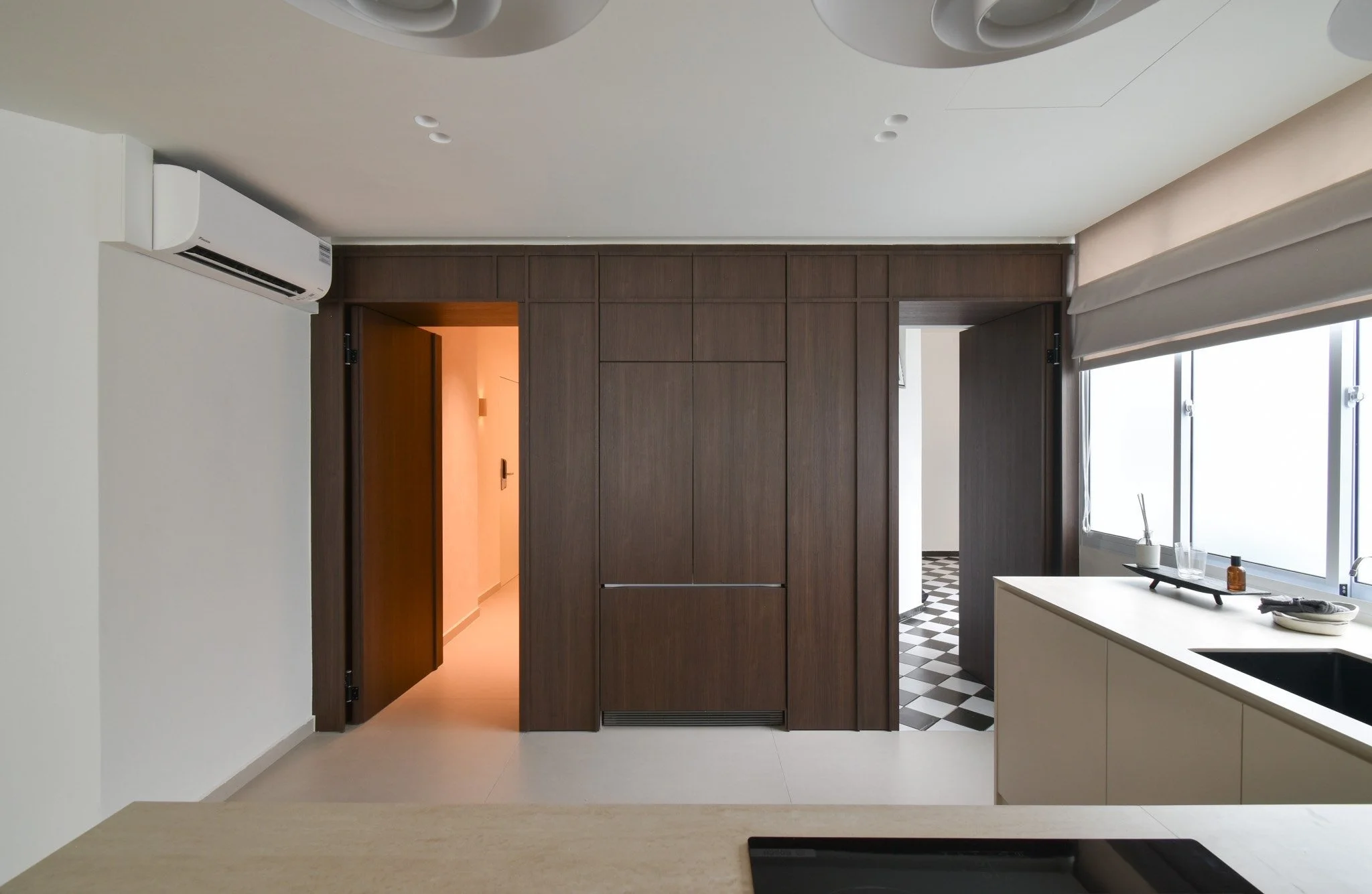
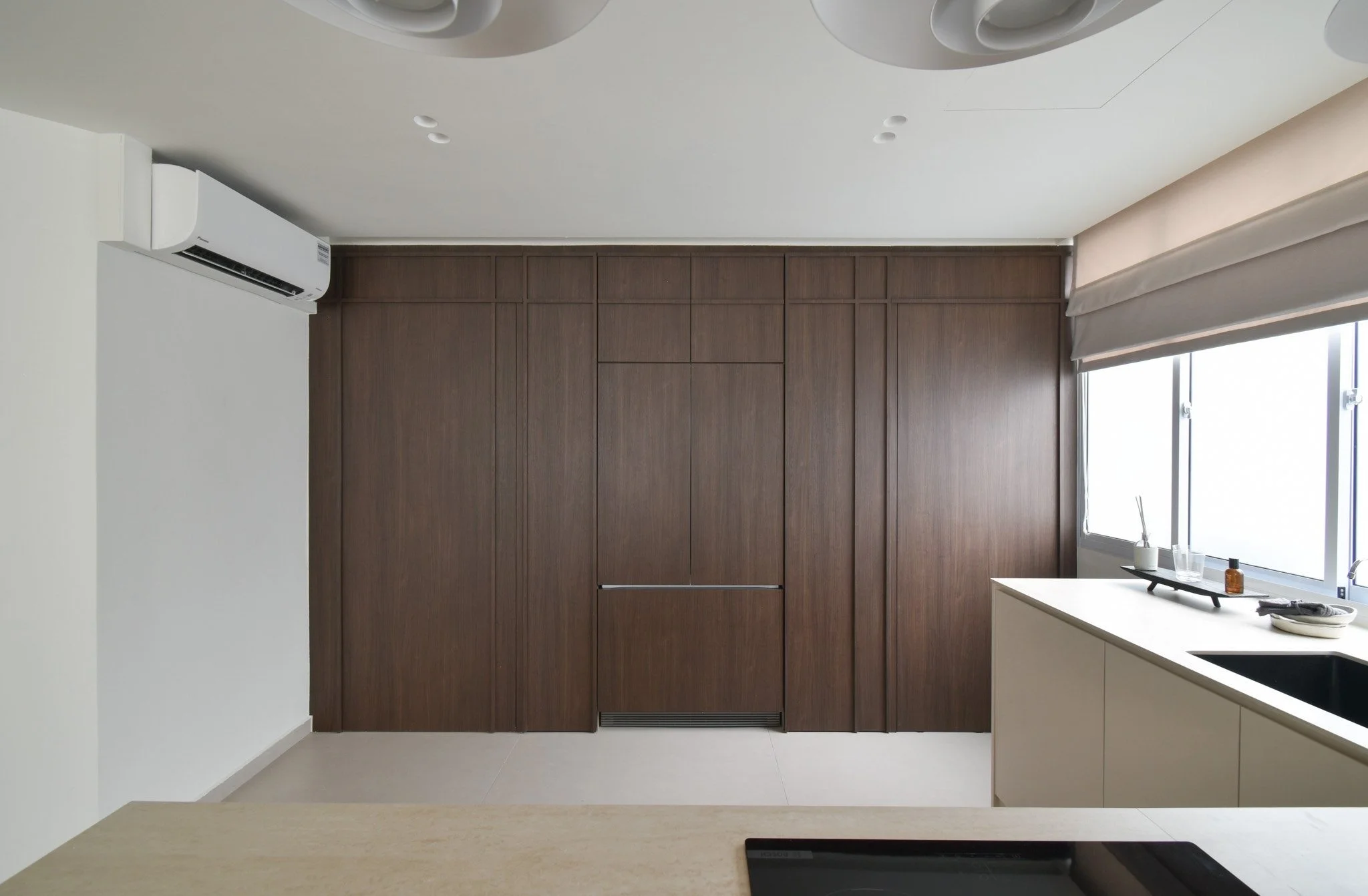
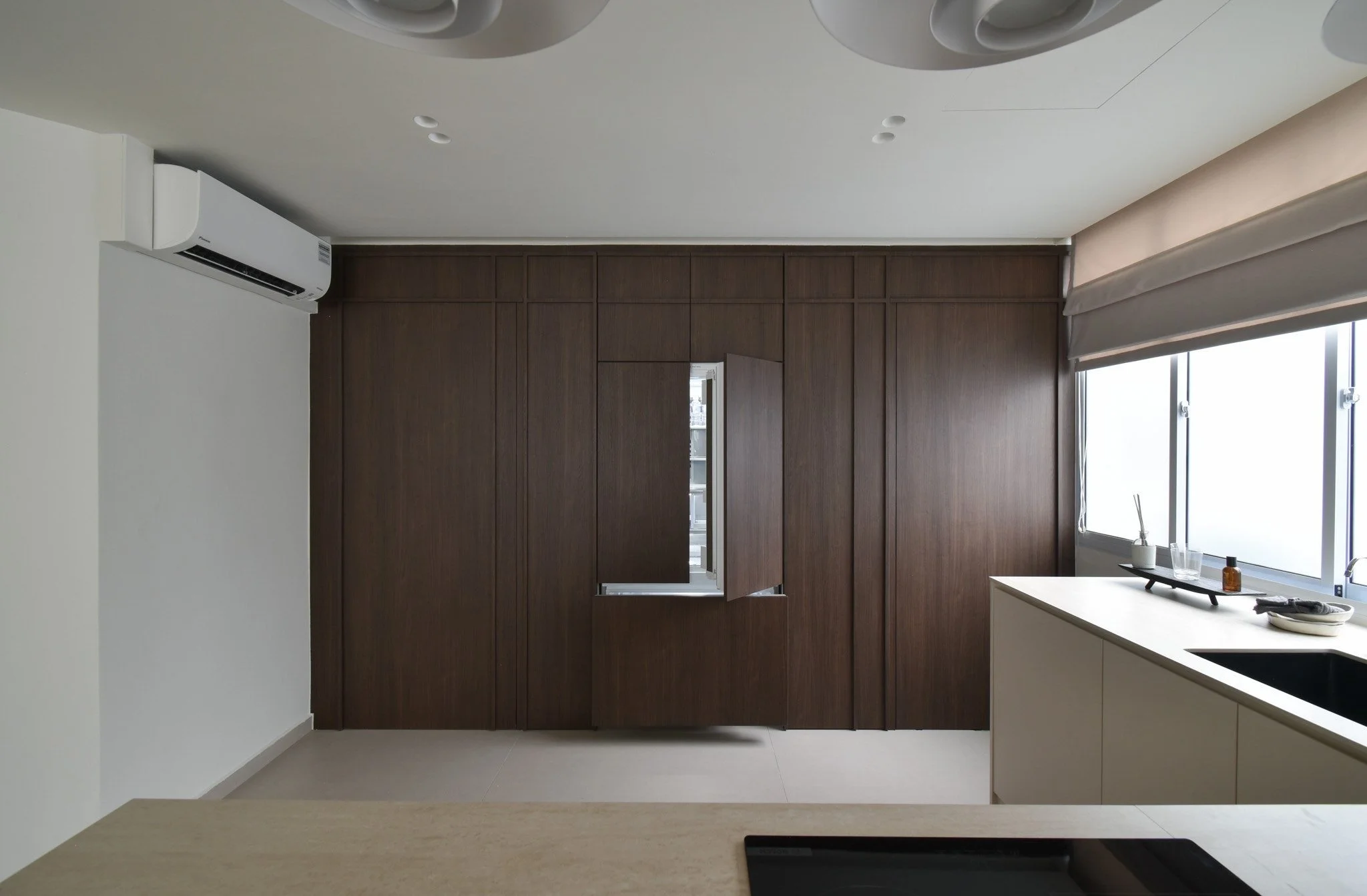
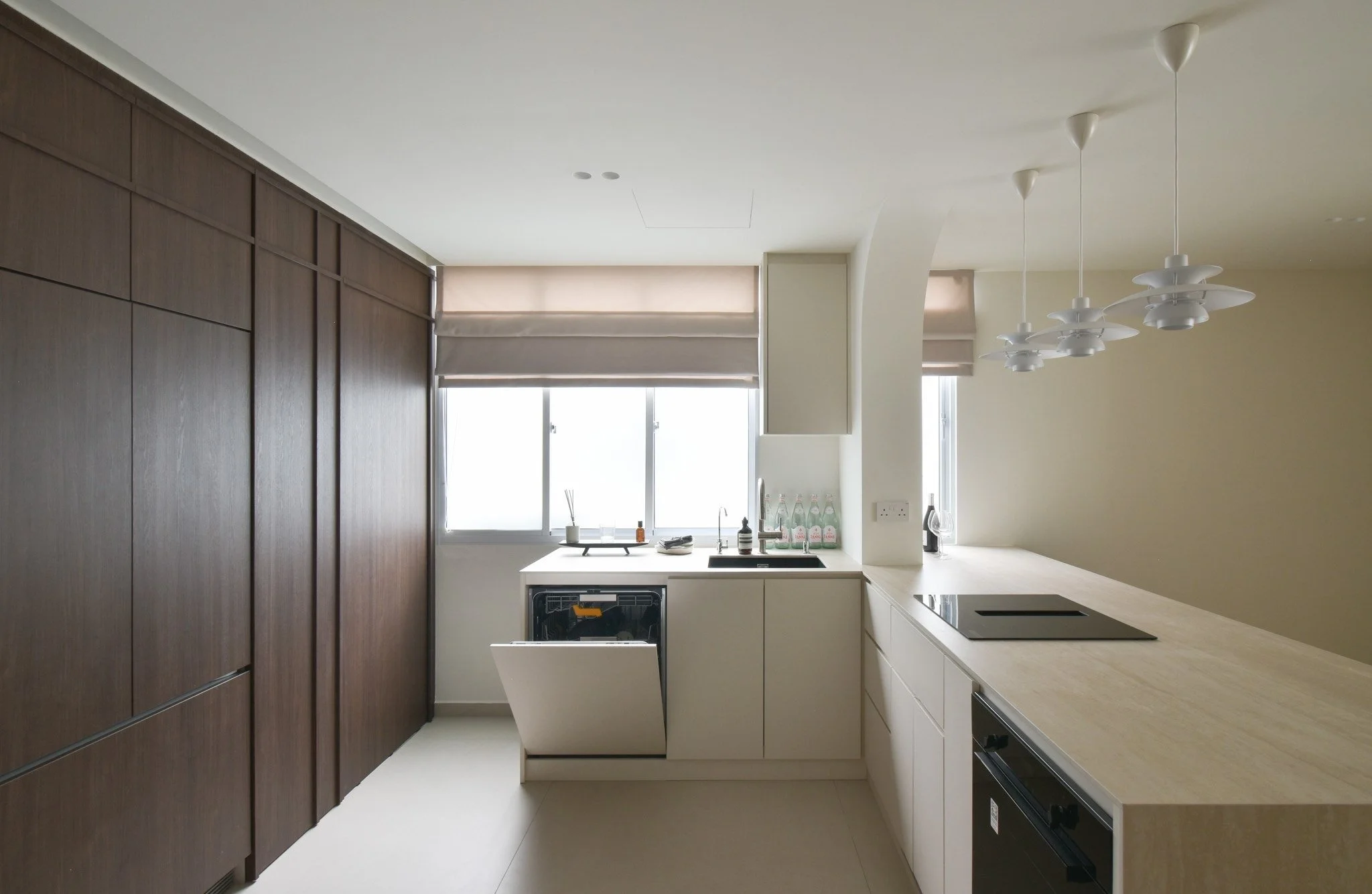
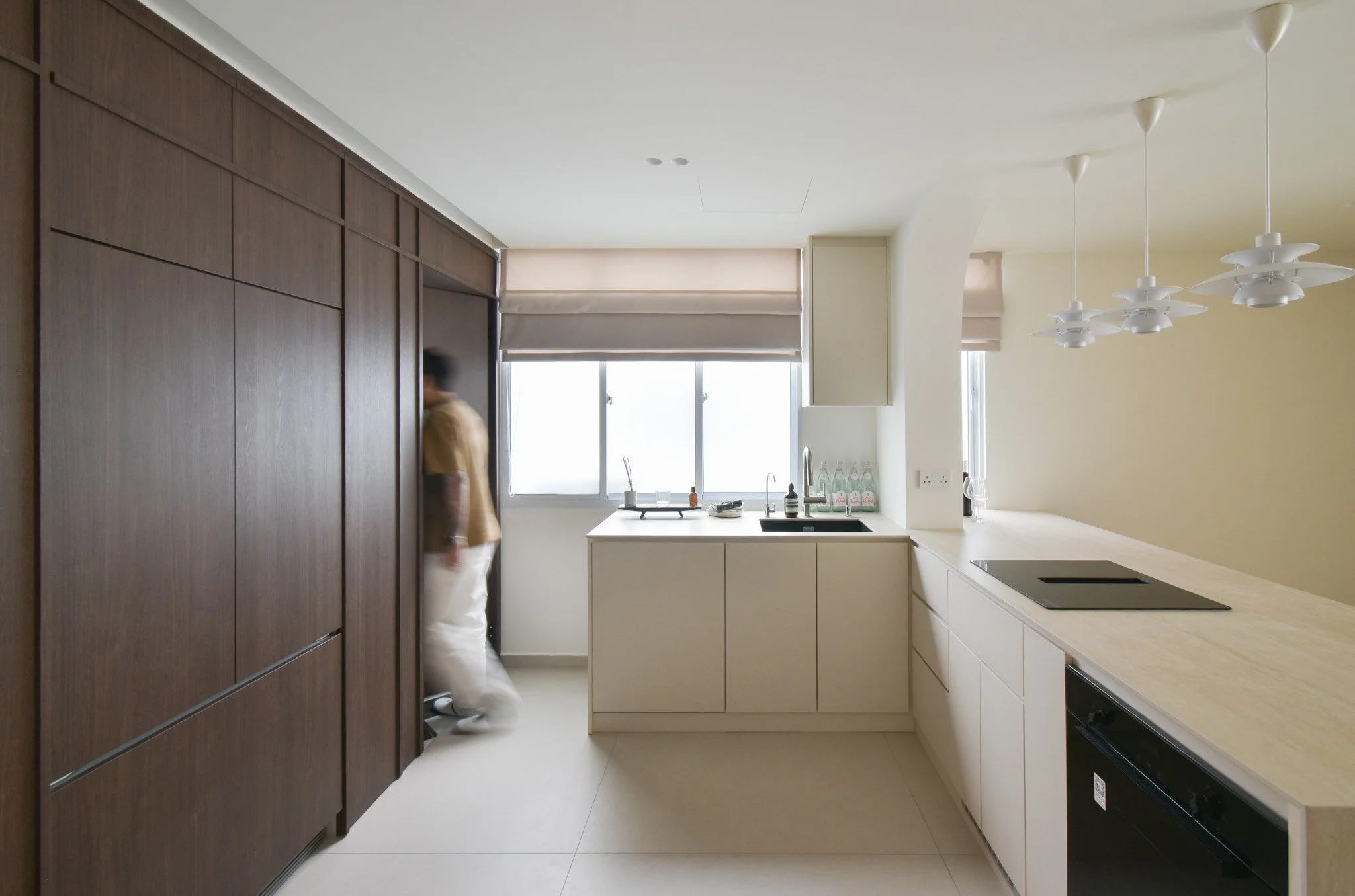
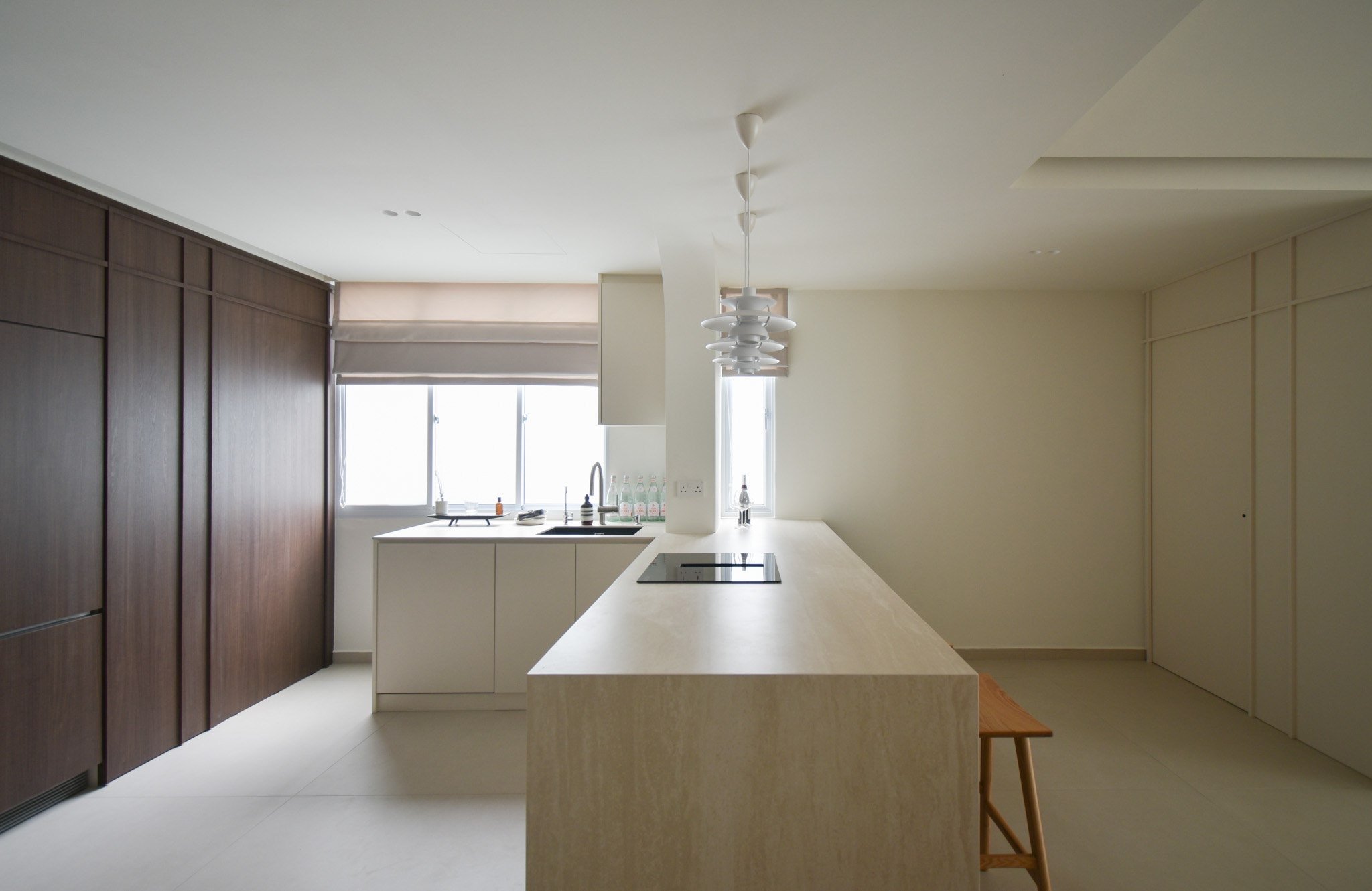
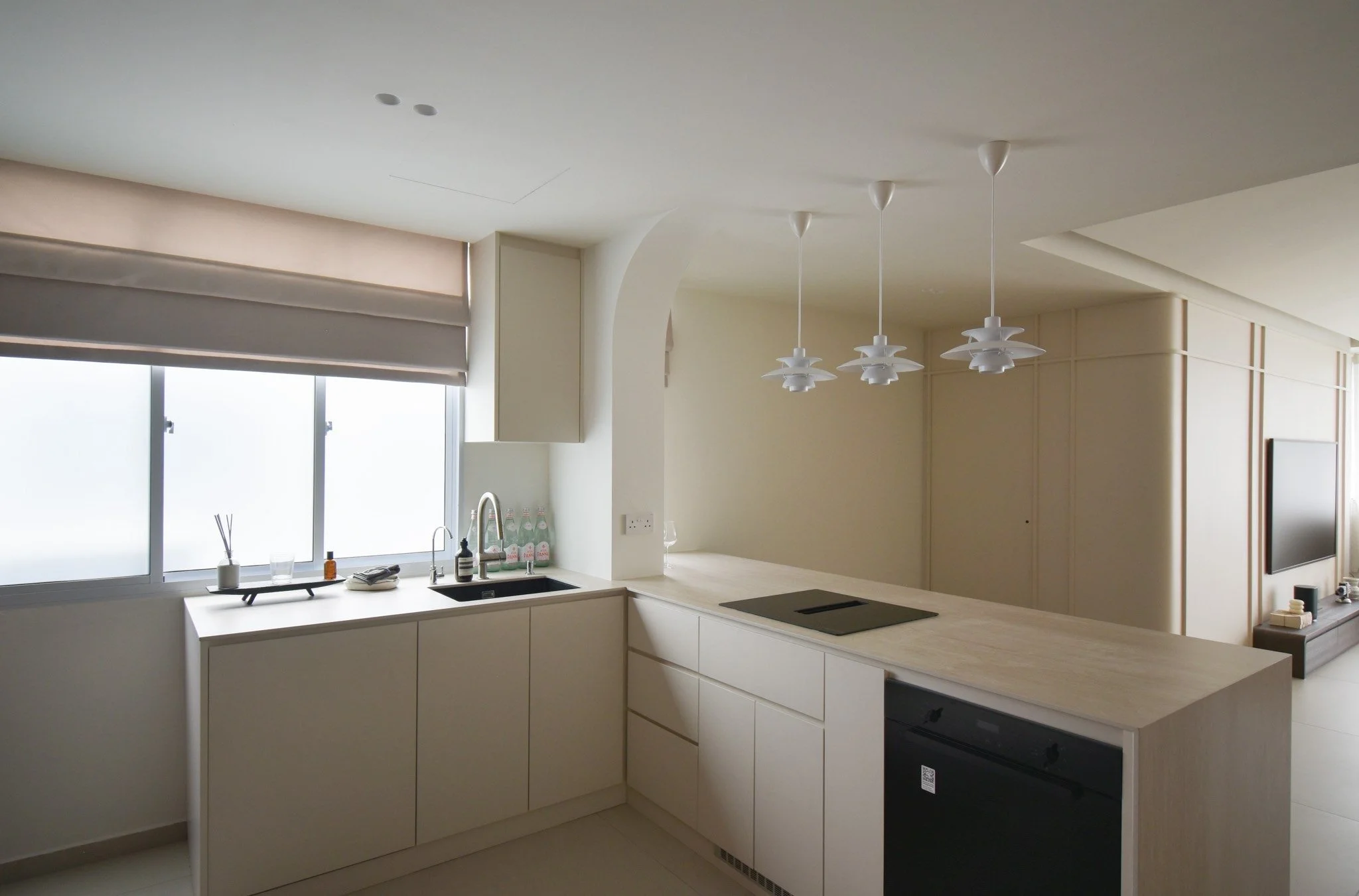
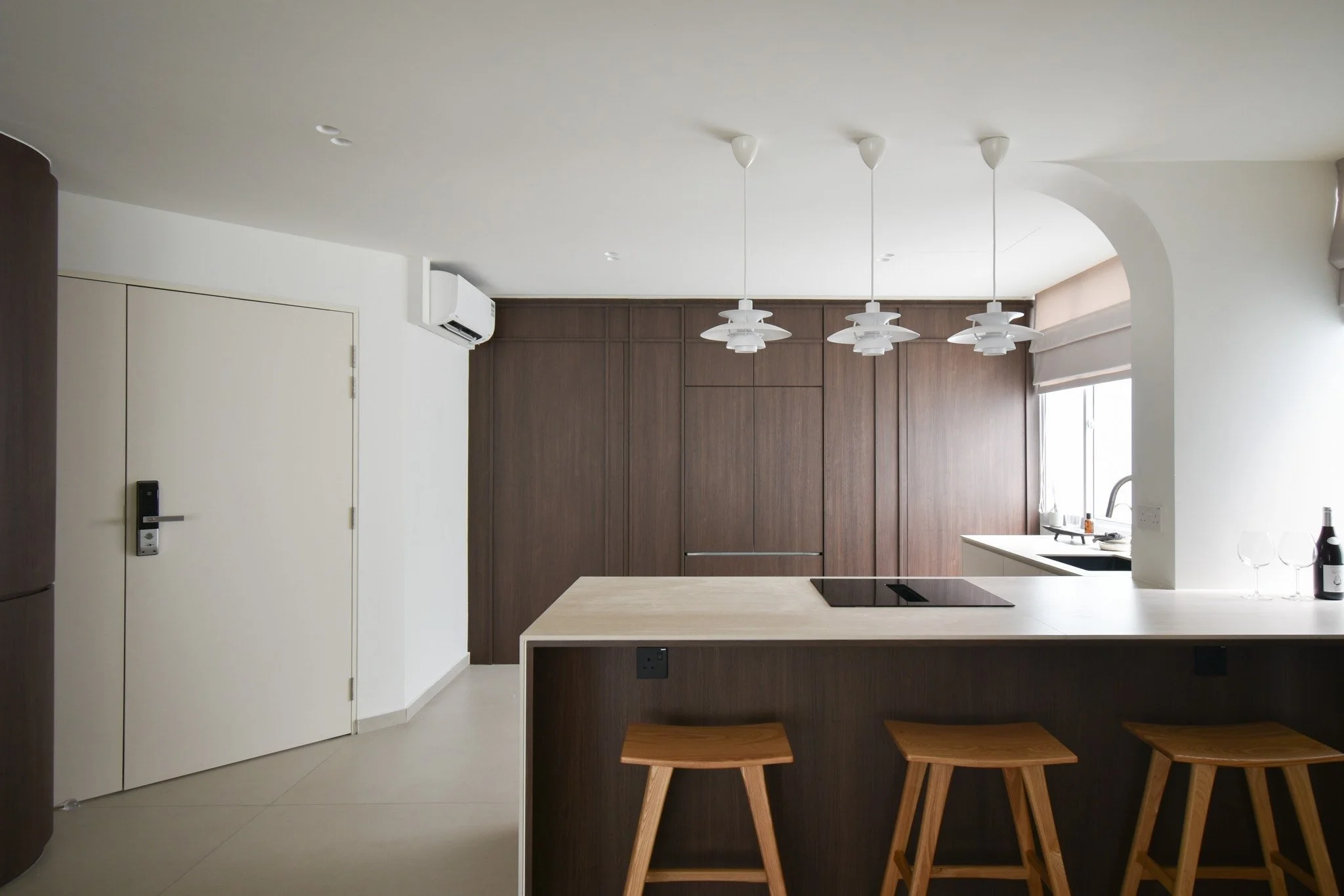
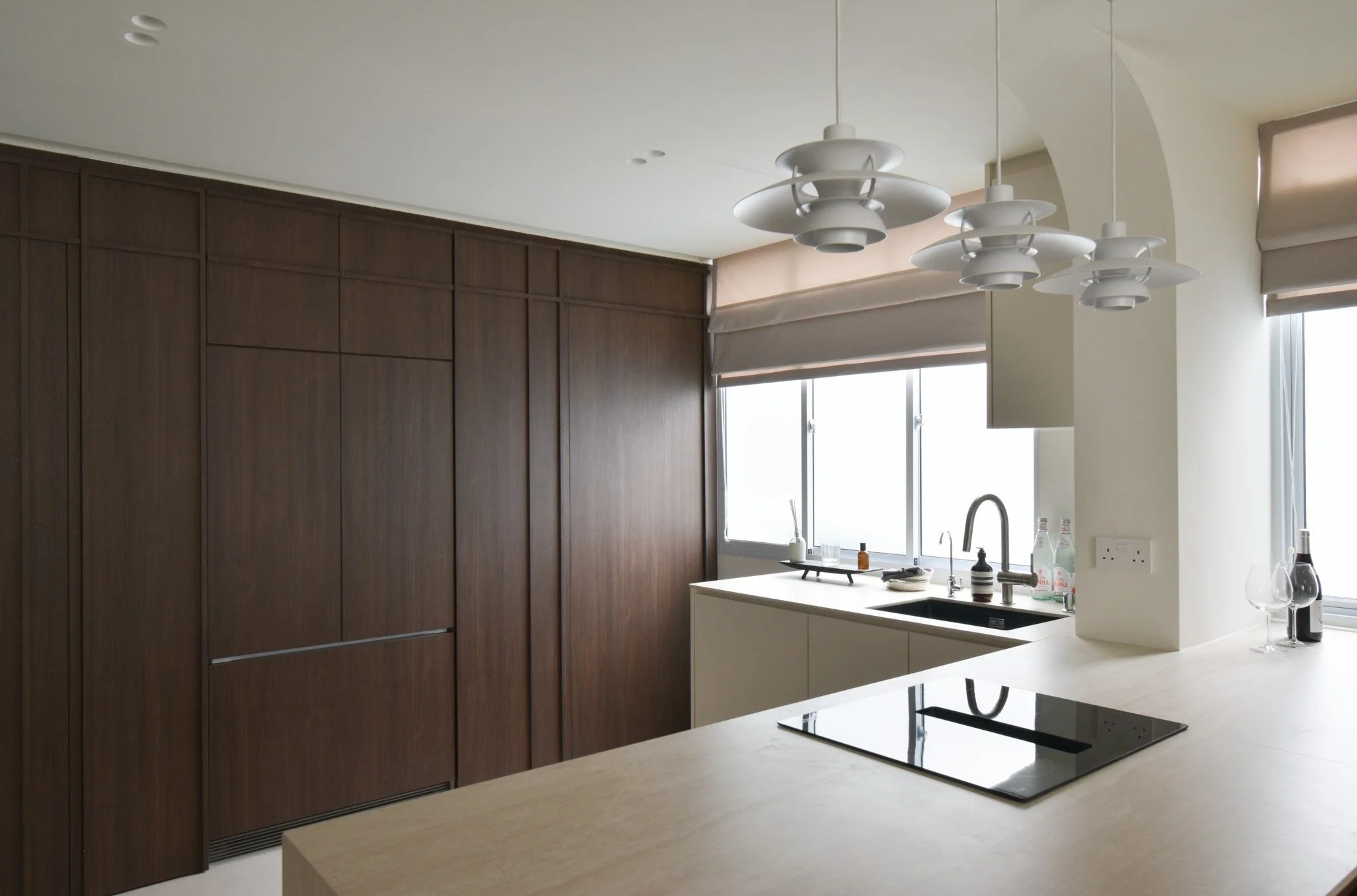
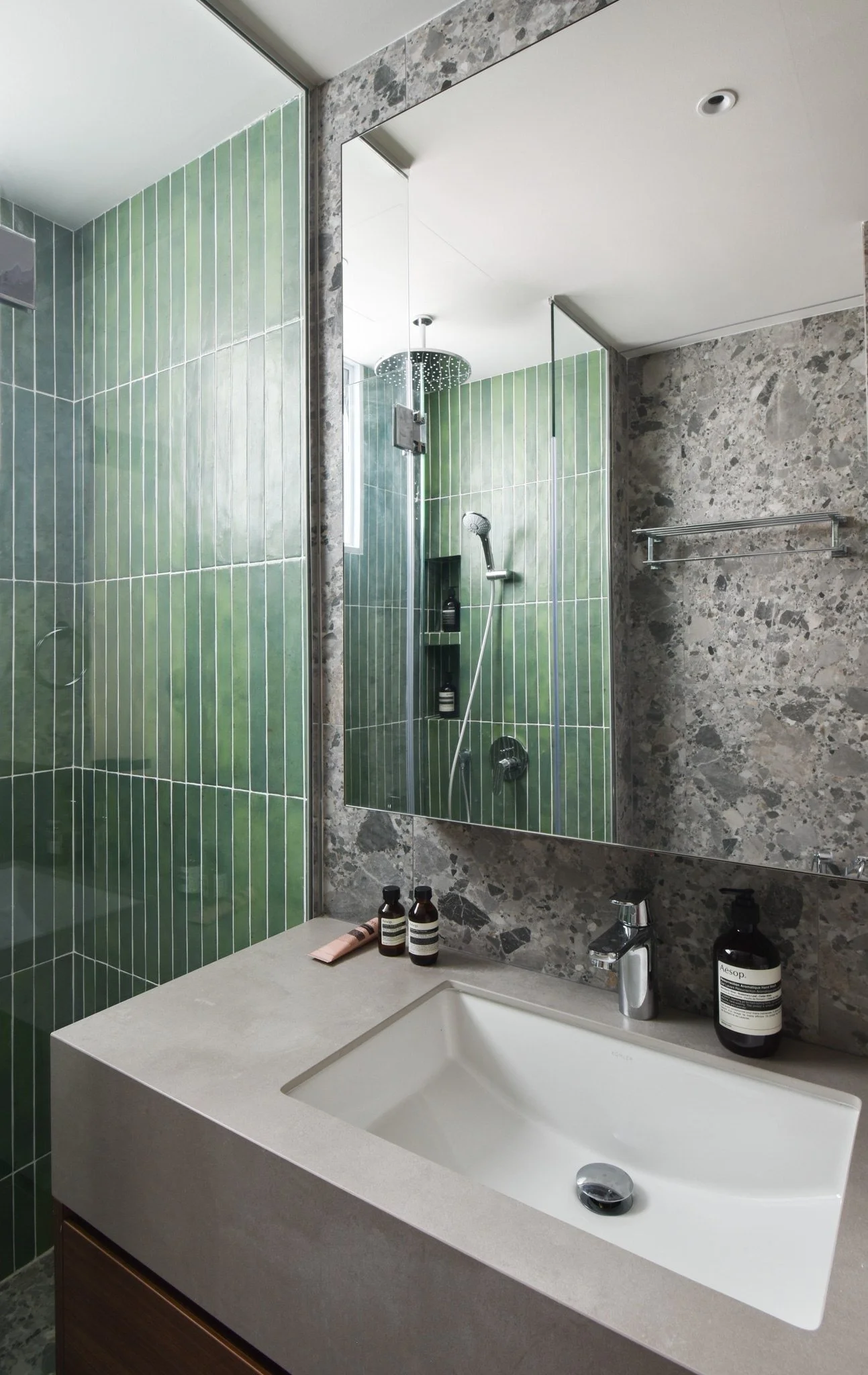
Unlike colder forms of minimalism, neutral minimalism doesn’t aim for austerity. Instead, it introduces softness and warmth, using color not to distract, but to ground and soothe. These subtle hues allow the textures and materials within the space to take center stage. Rather than relying on bold patterns or bright accents, neutral minimalism favors depth through materiality—natural wood grains, raw stone, woven textiles, and matte finishes. Each surface is chosen with care, contributing to a sense of tactile richness that invites touch and creates quiet visual interest.
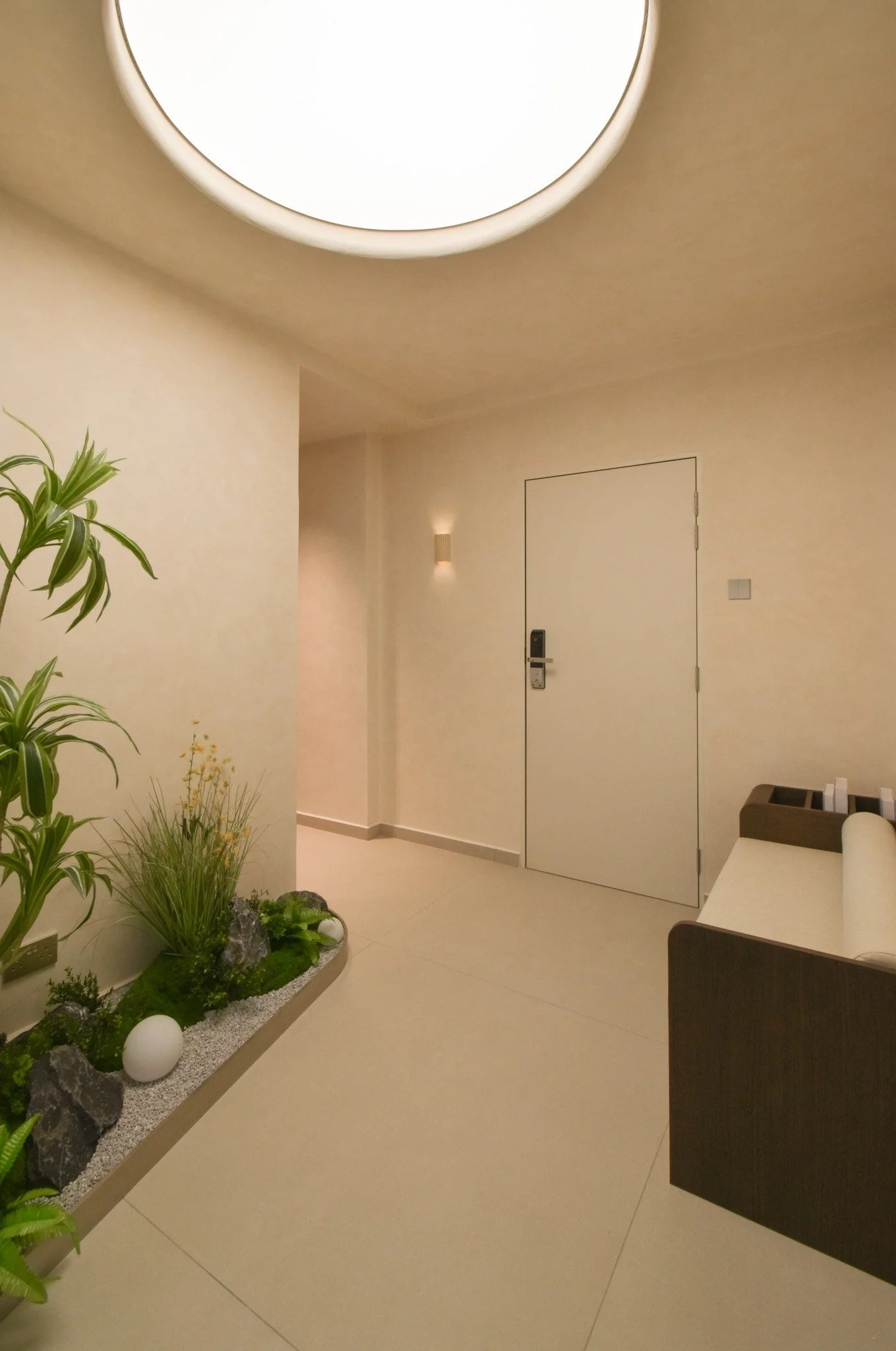
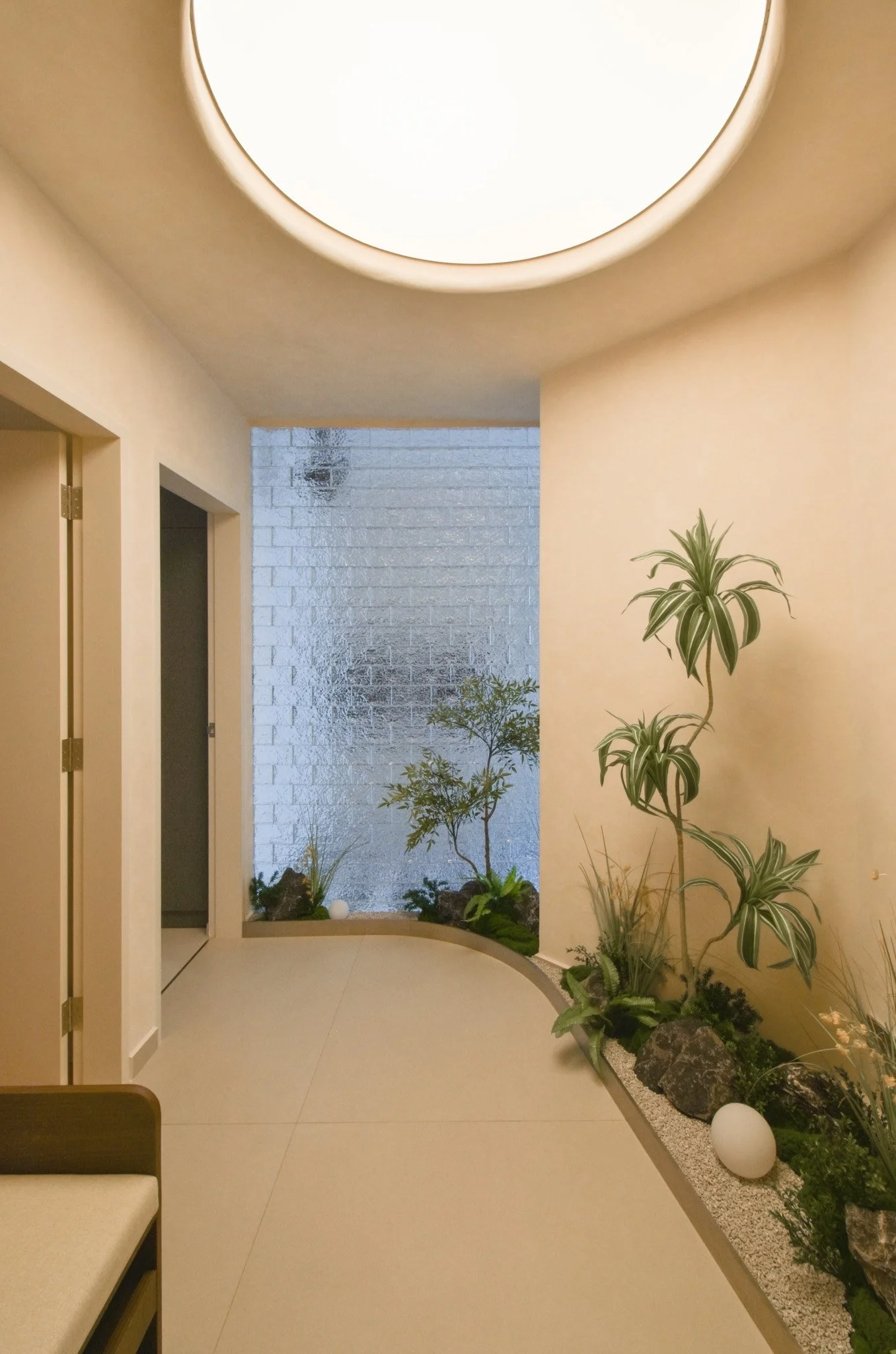
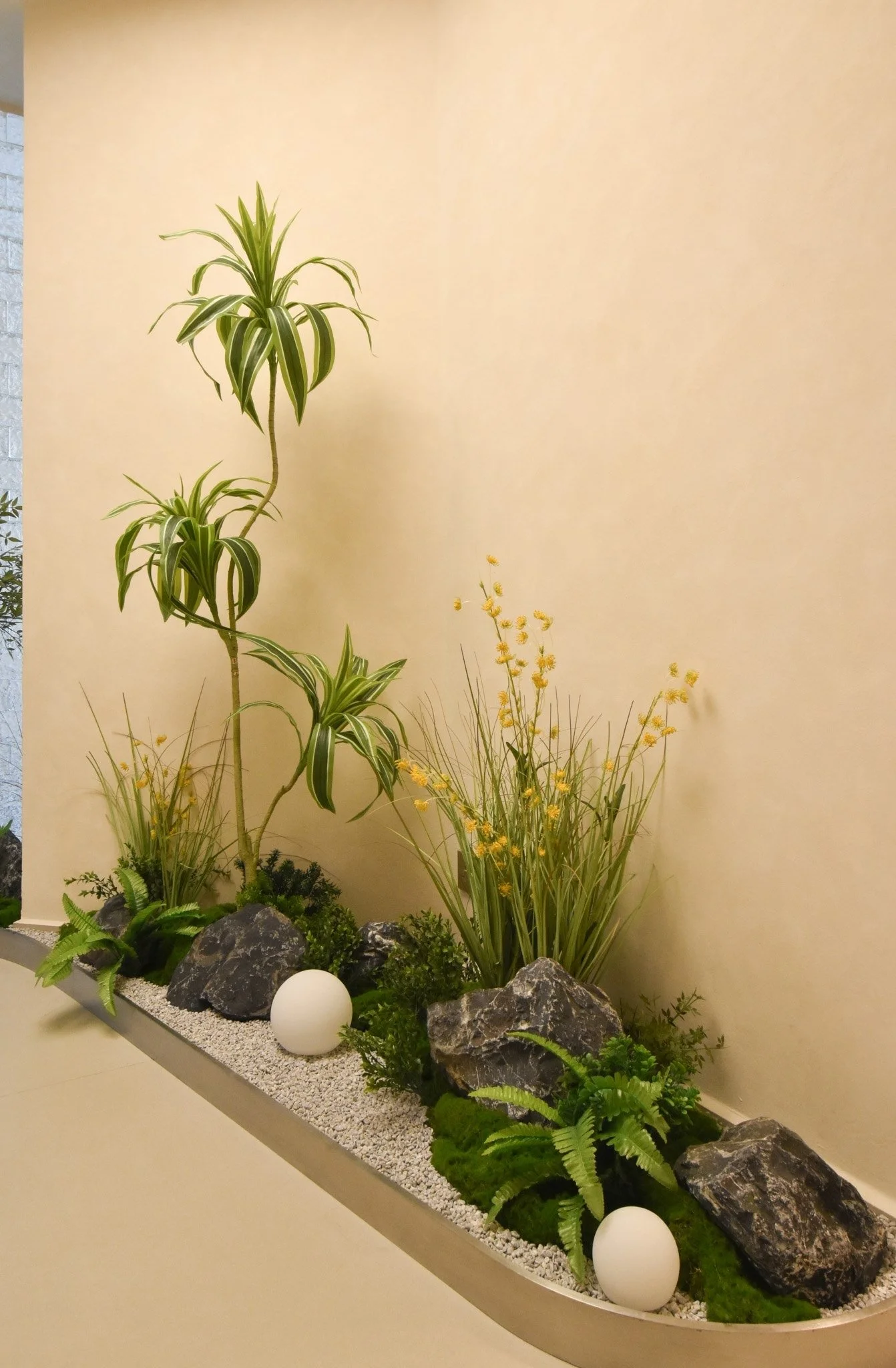
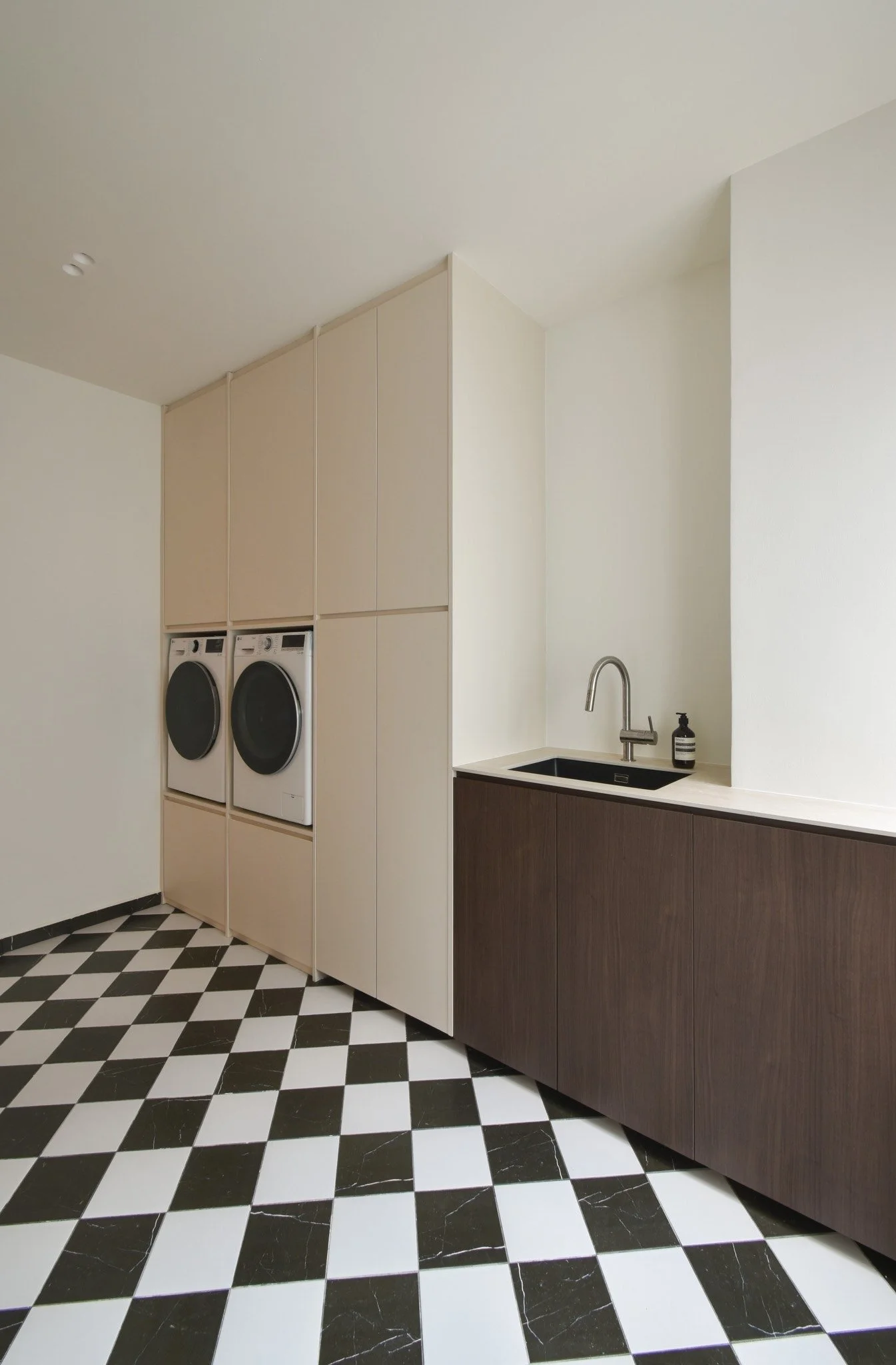
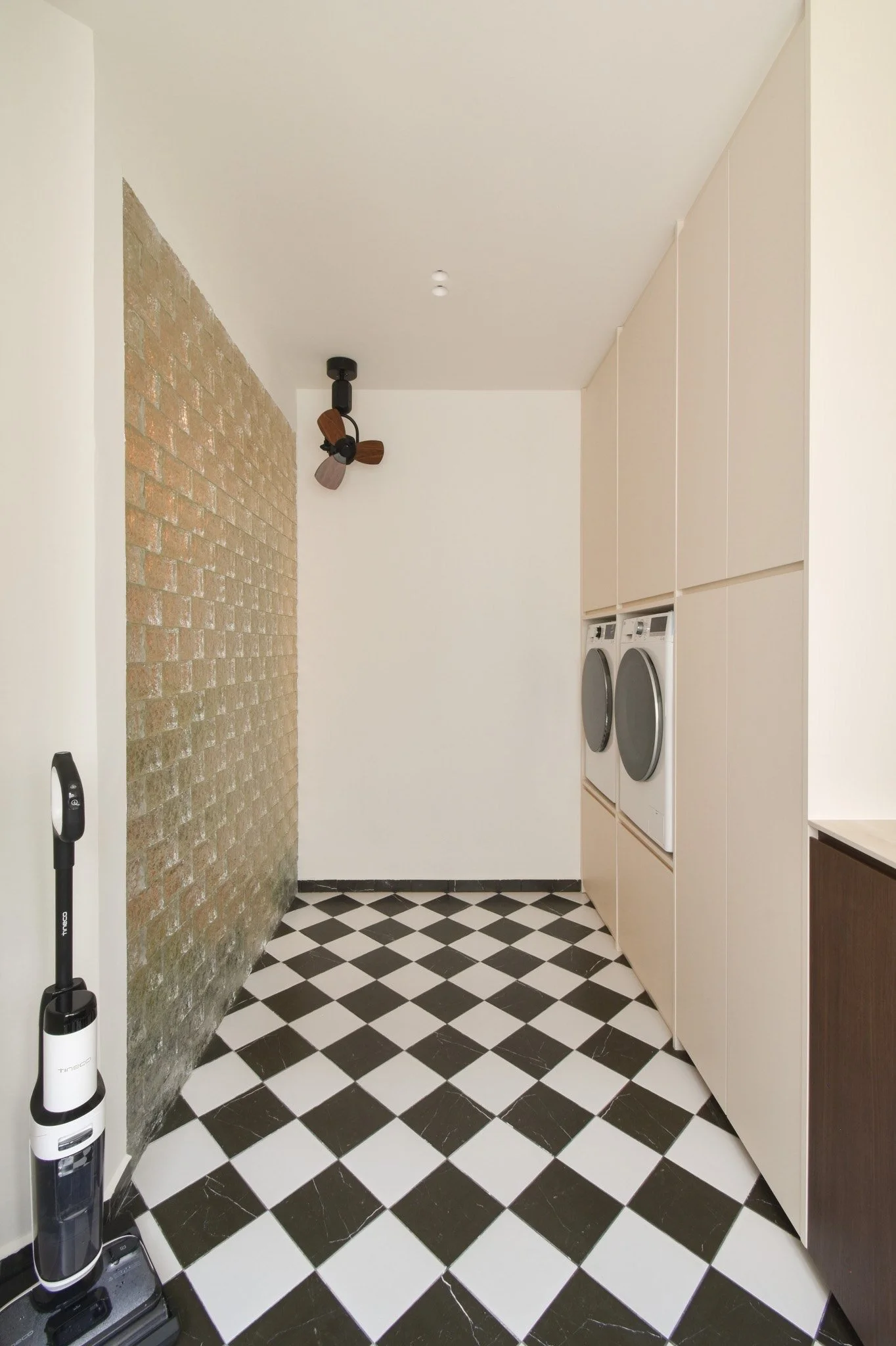
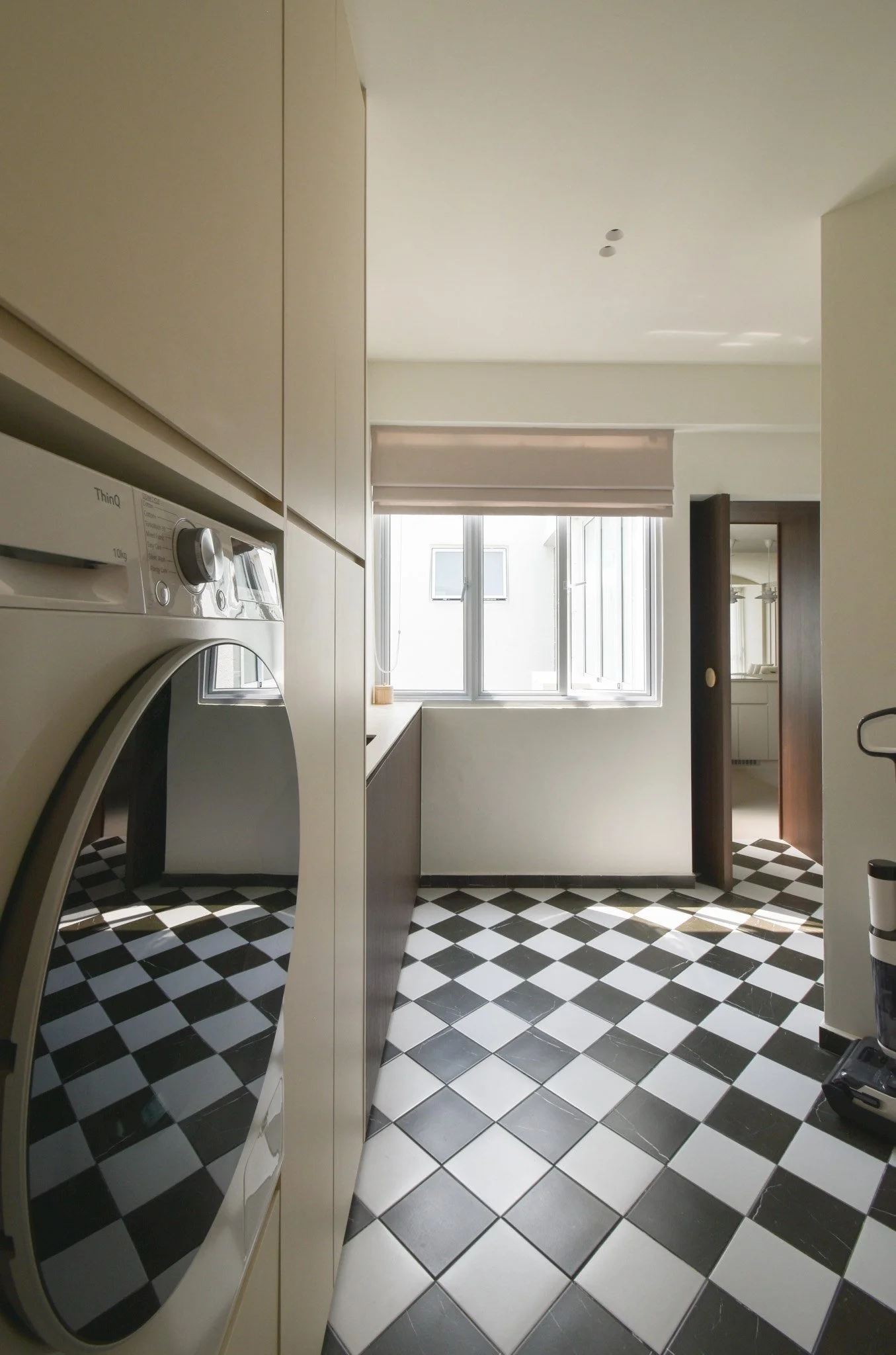
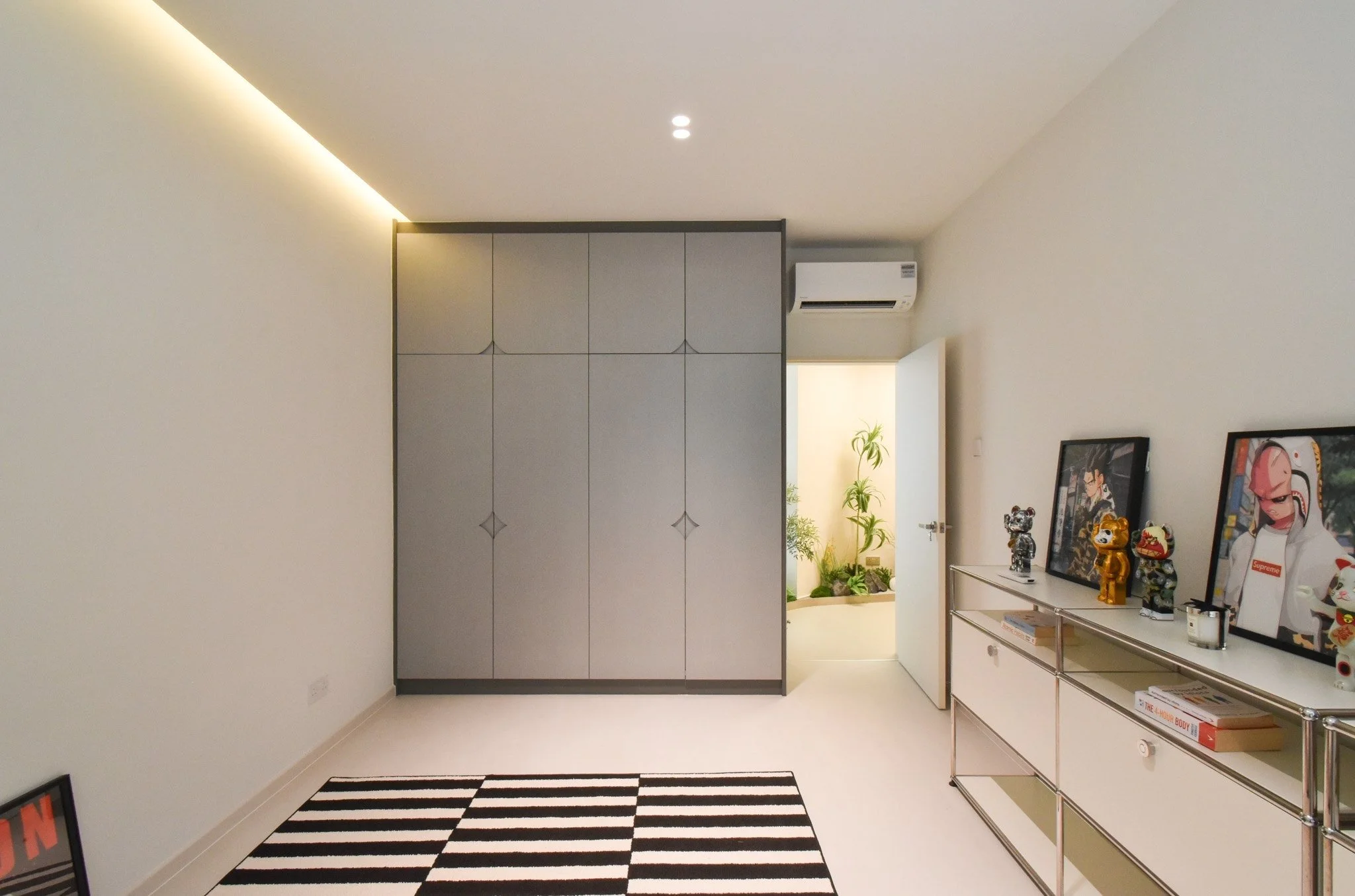
In a neutral minimalist interior, everything has a purpose. Furniture and décor are pared down to the essentials, but never at the expense of comfort or beauty. Pieces are often low-profile with clean lines and sculptural simplicity, allowing the space to breathe. Rather than filling rooms with objects, neutral minimalism encourages selectivity—choosing fewer, better pieces that are functional, long-lasting, and beautiful in their simplicity. Open space is just as important as the items within it. Thoughtful negative space allows the eye to rest and makes the environment feel more spacious, even in compact interiors. The design emphasizes flow, clarity, and calm—a welcome contrast to the overstimulation of modern life.
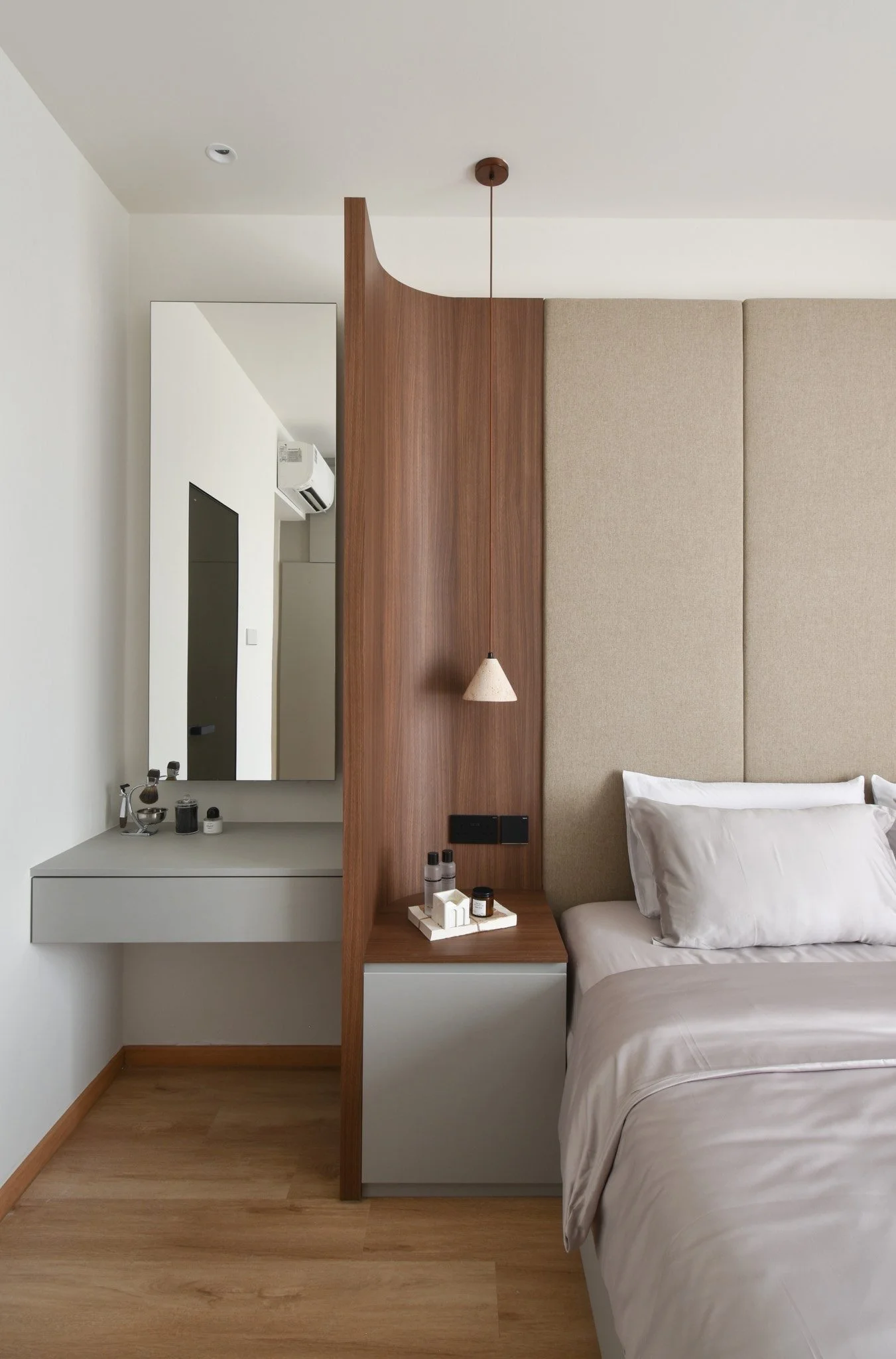
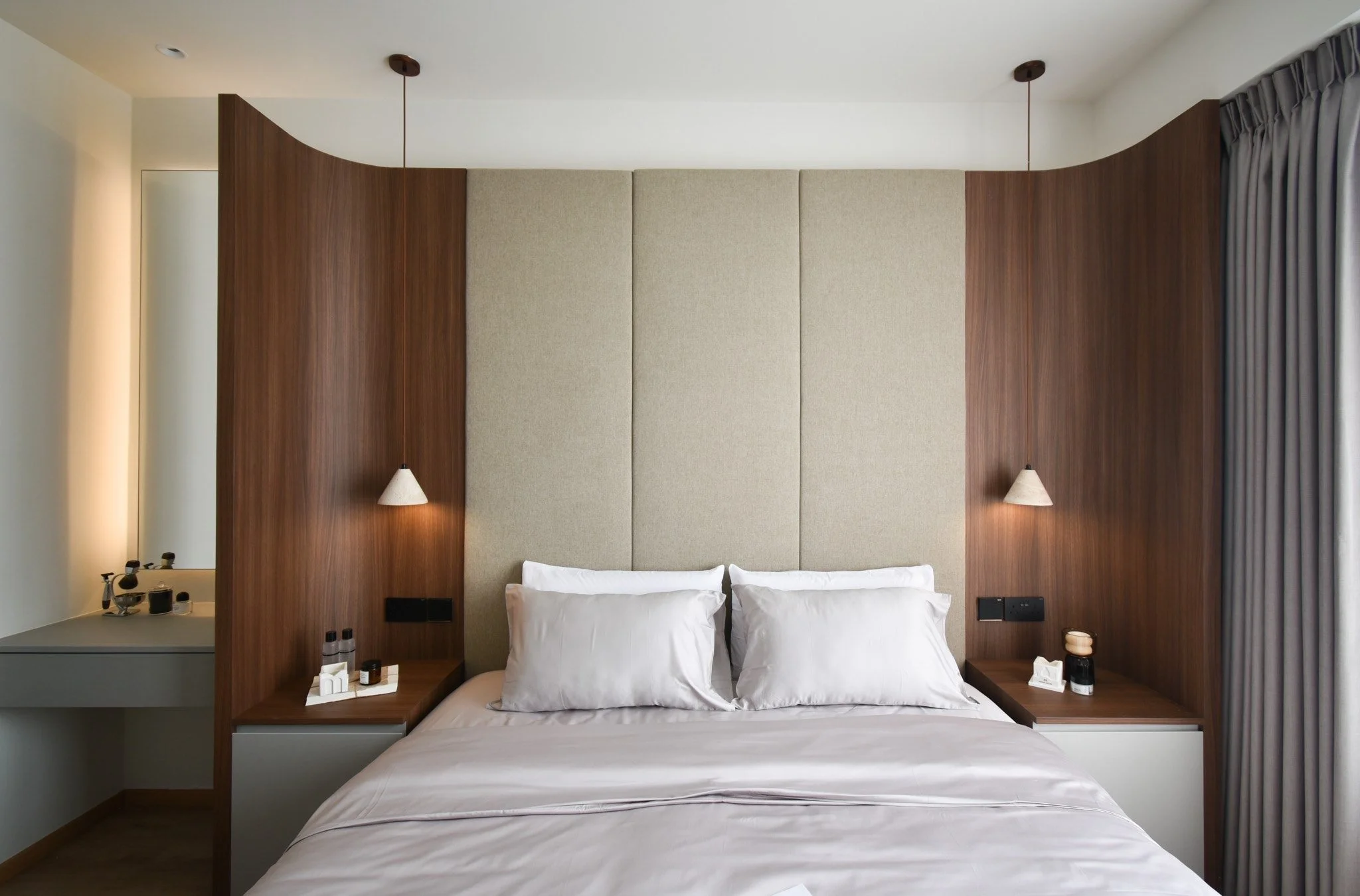
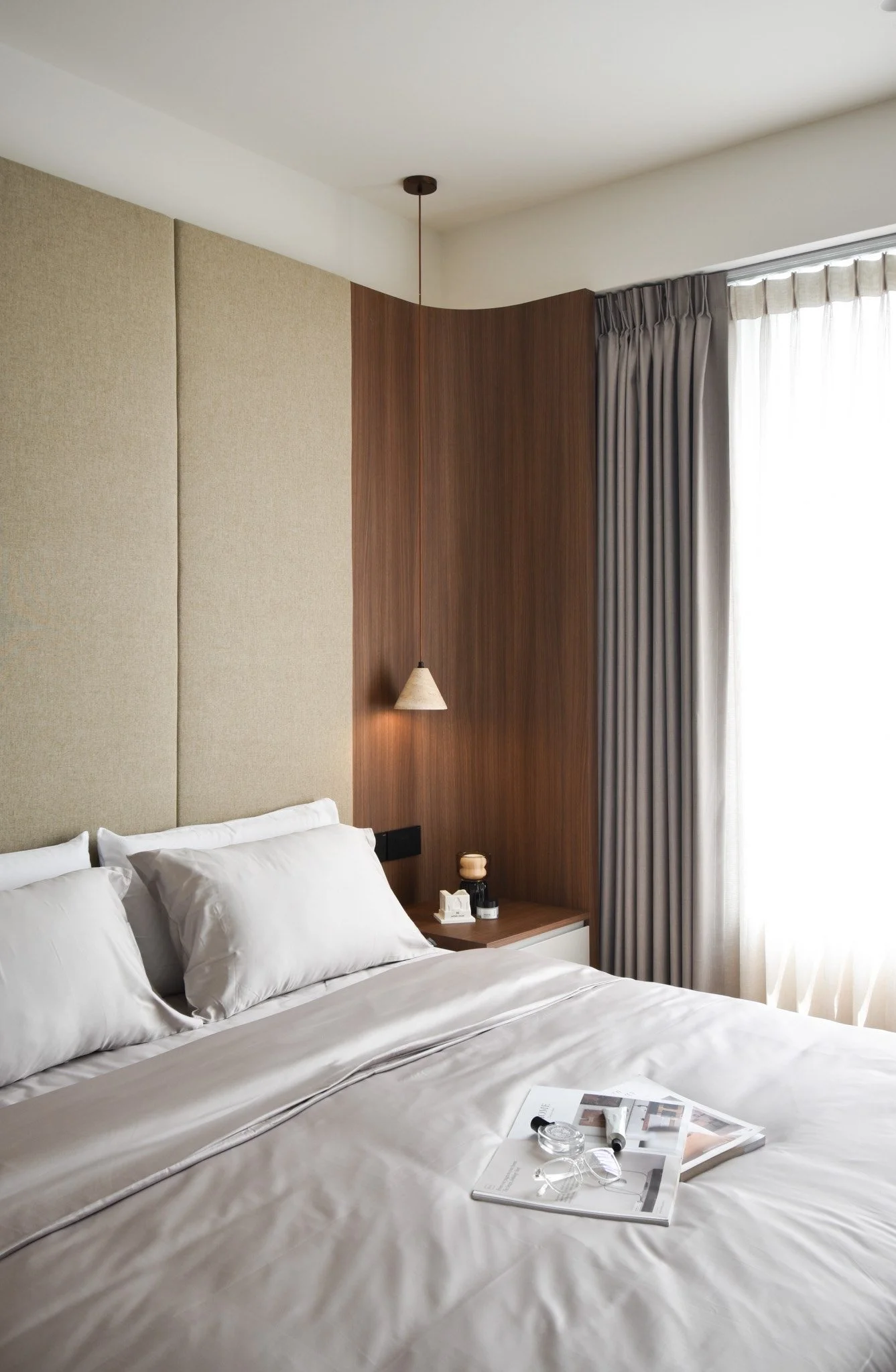
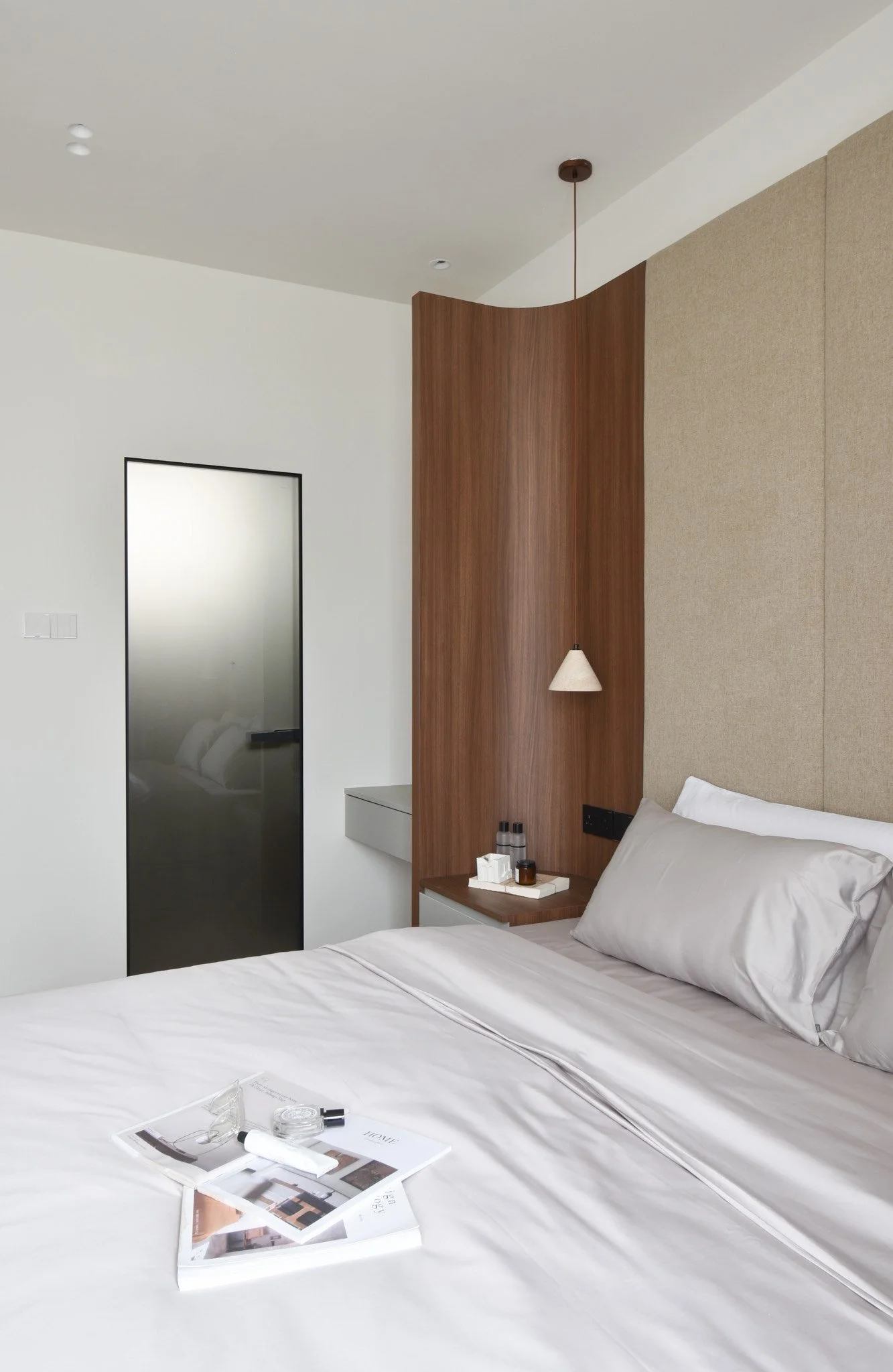
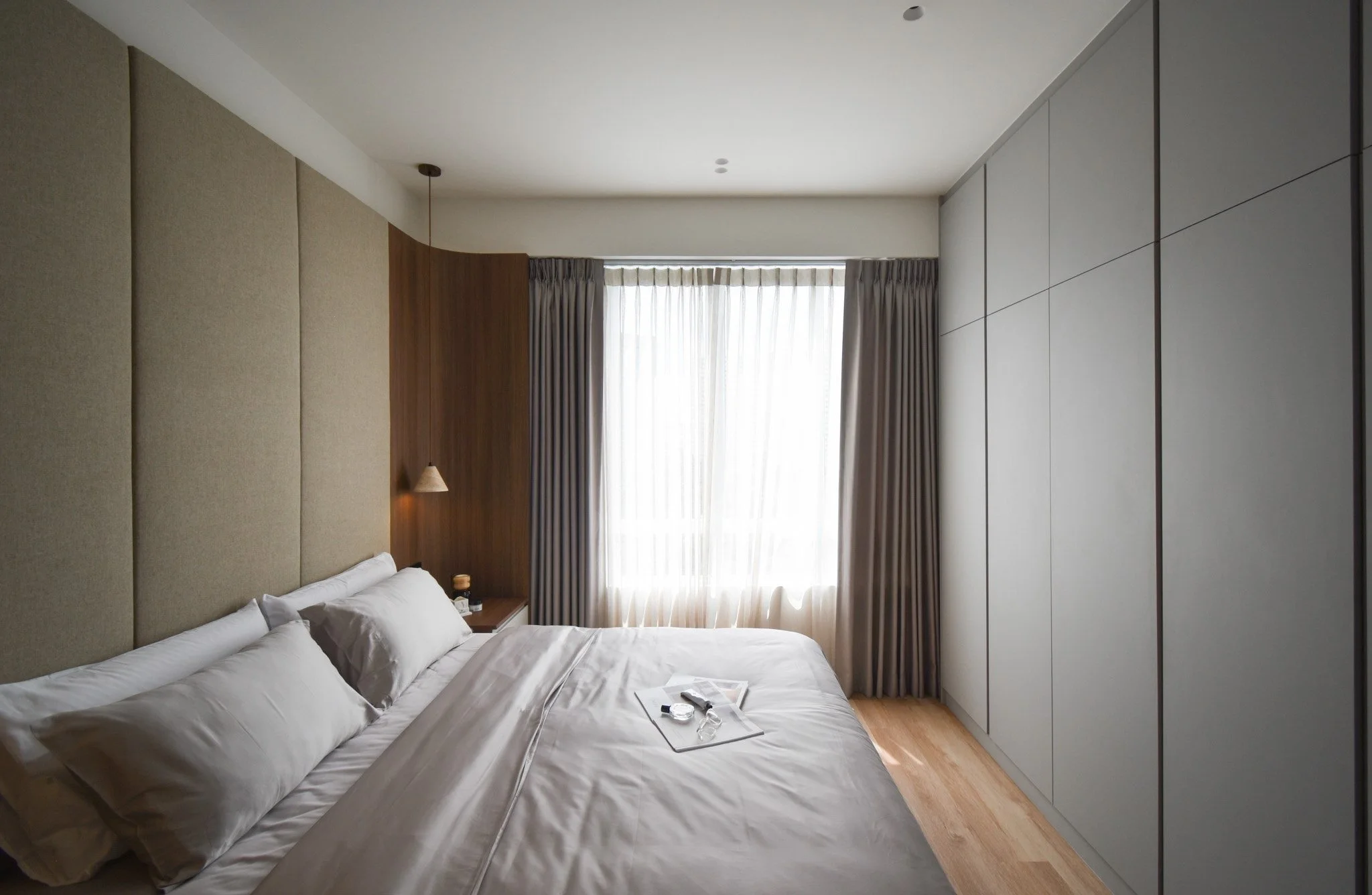
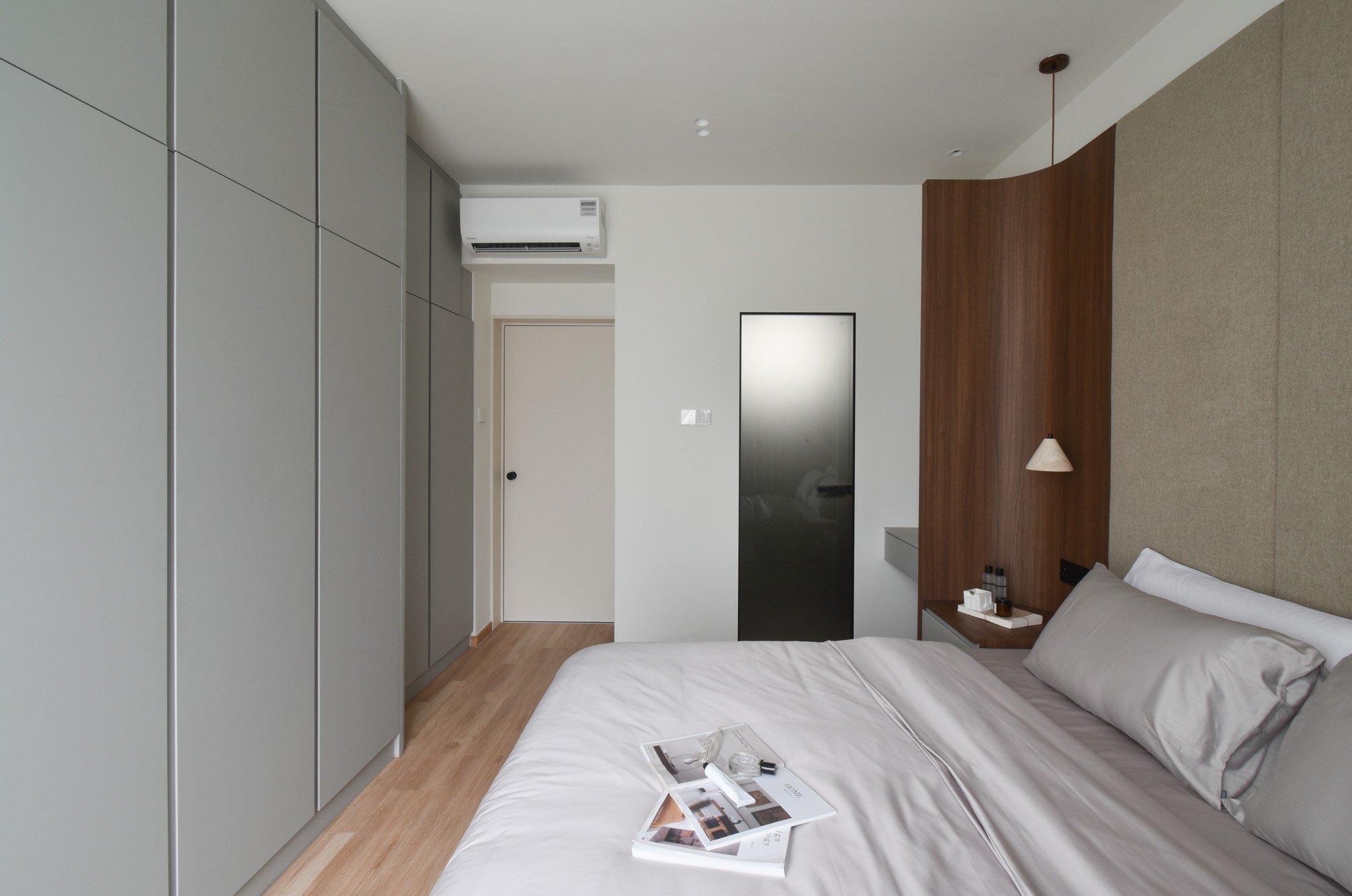
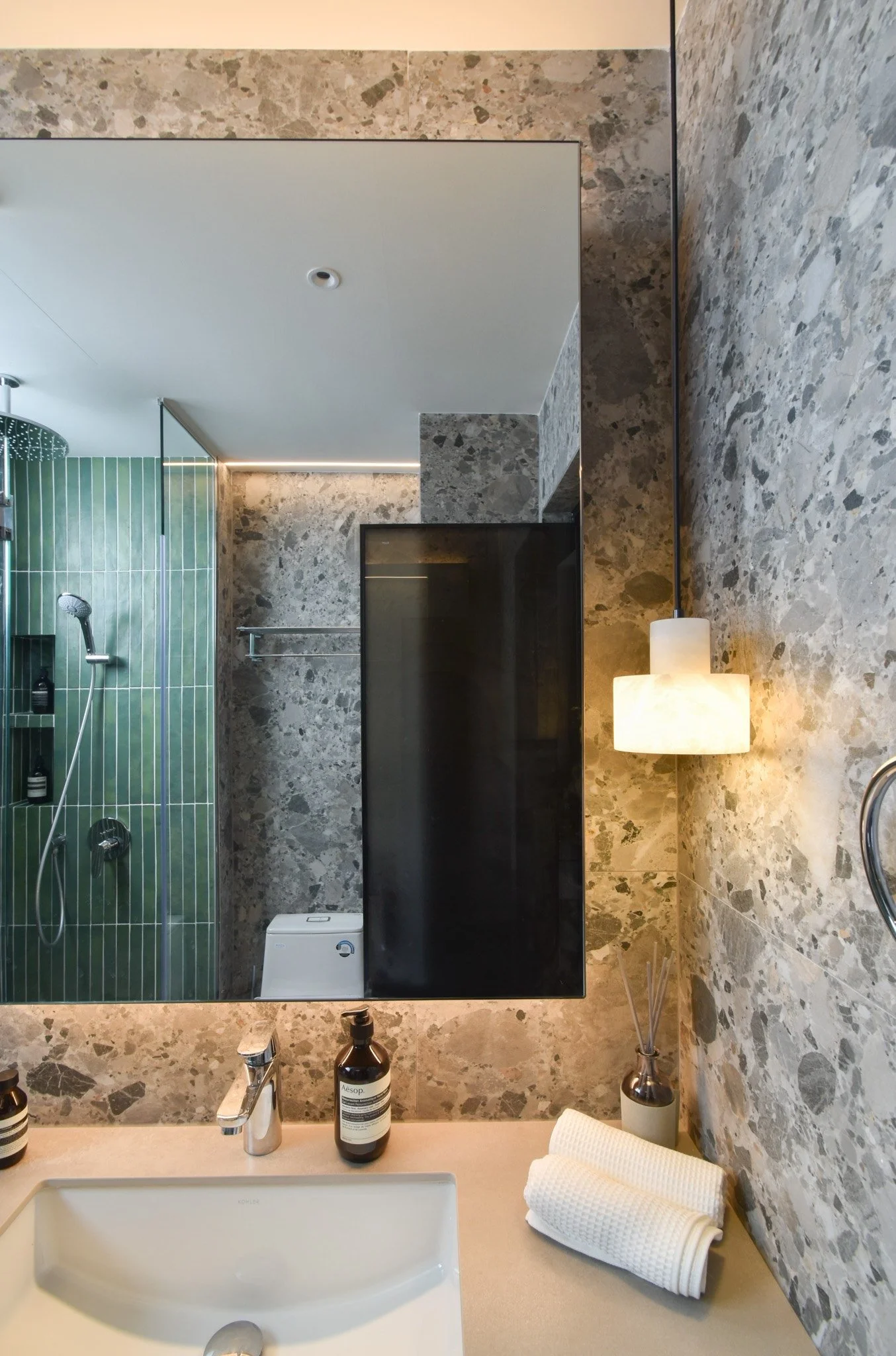
Light plays a crucial role in neutral minimalist interiors. Natural light is maximized through large windows, sheer curtains, and unobtrusive window treatments. When artificial lighting is needed, it’s often ambient and understated—hidden strips, warm-toned LEDs, or soft pendant lights that blend seamlessly with the surrounding design. This approach to lighting helps create a sense of peace throughout the home, turning every room into a tranquil retreat. Paired with acoustic softness (achieved through textured fabrics and minimal hard surfaces), the space becomes more than a place to live—it becomes a place to slow down, recharge, and reconnect.